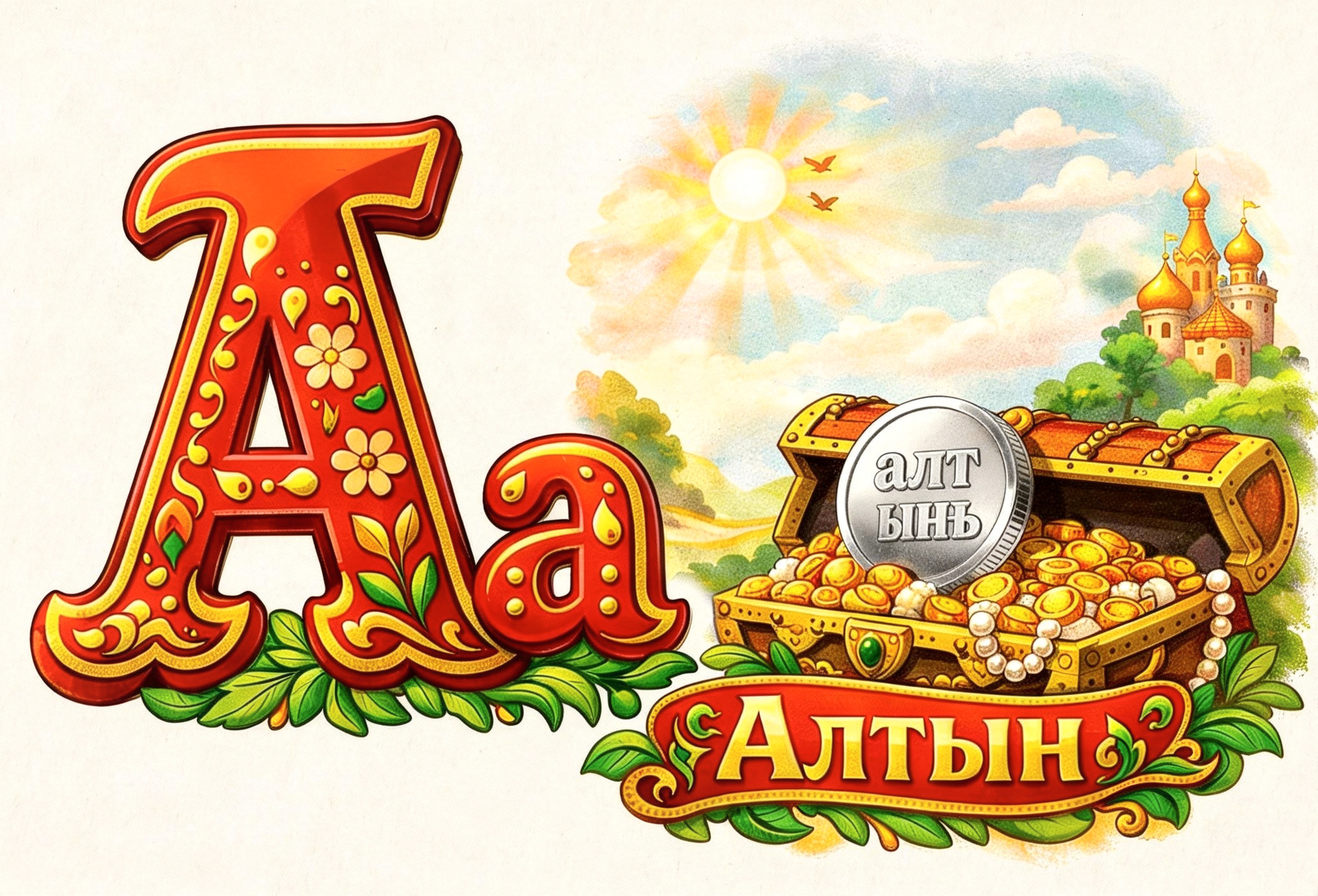
An altyn is an old gold coin you can meet in Russian fairy tales. In stories it’s a kind of money people pay with or reward heroes with. The letter «А» is pronounced like “ah,” as in “father.”
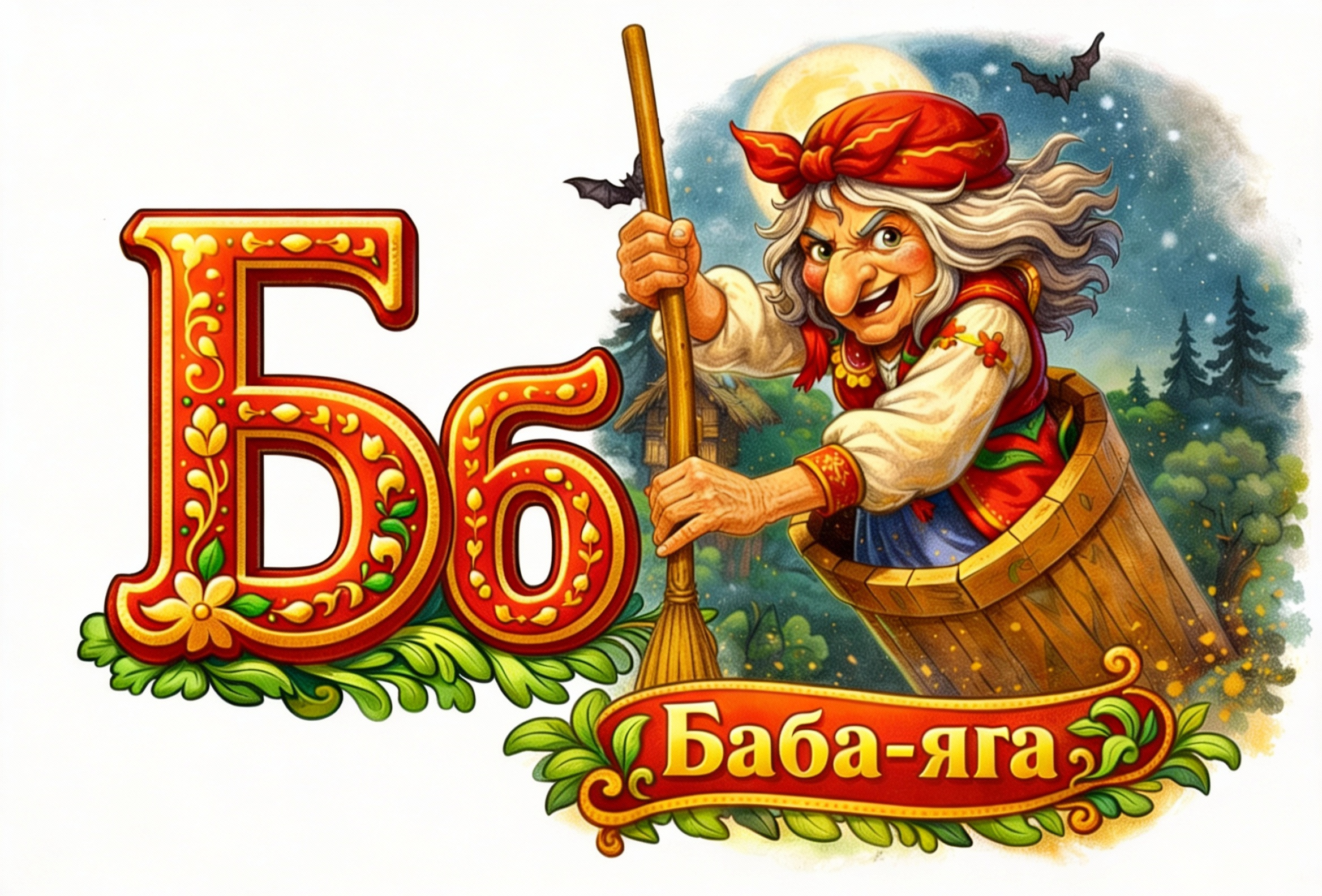
БбБаба-яга
Baba Yaga is a famous witch from Russian fairy tales who lives in the forest, often in a hut on chicken legs. She can be scary, but sometimes she helps the hero if they’re clever and brave. The letter «Б» is pronounced like “b,” as in “bat.”
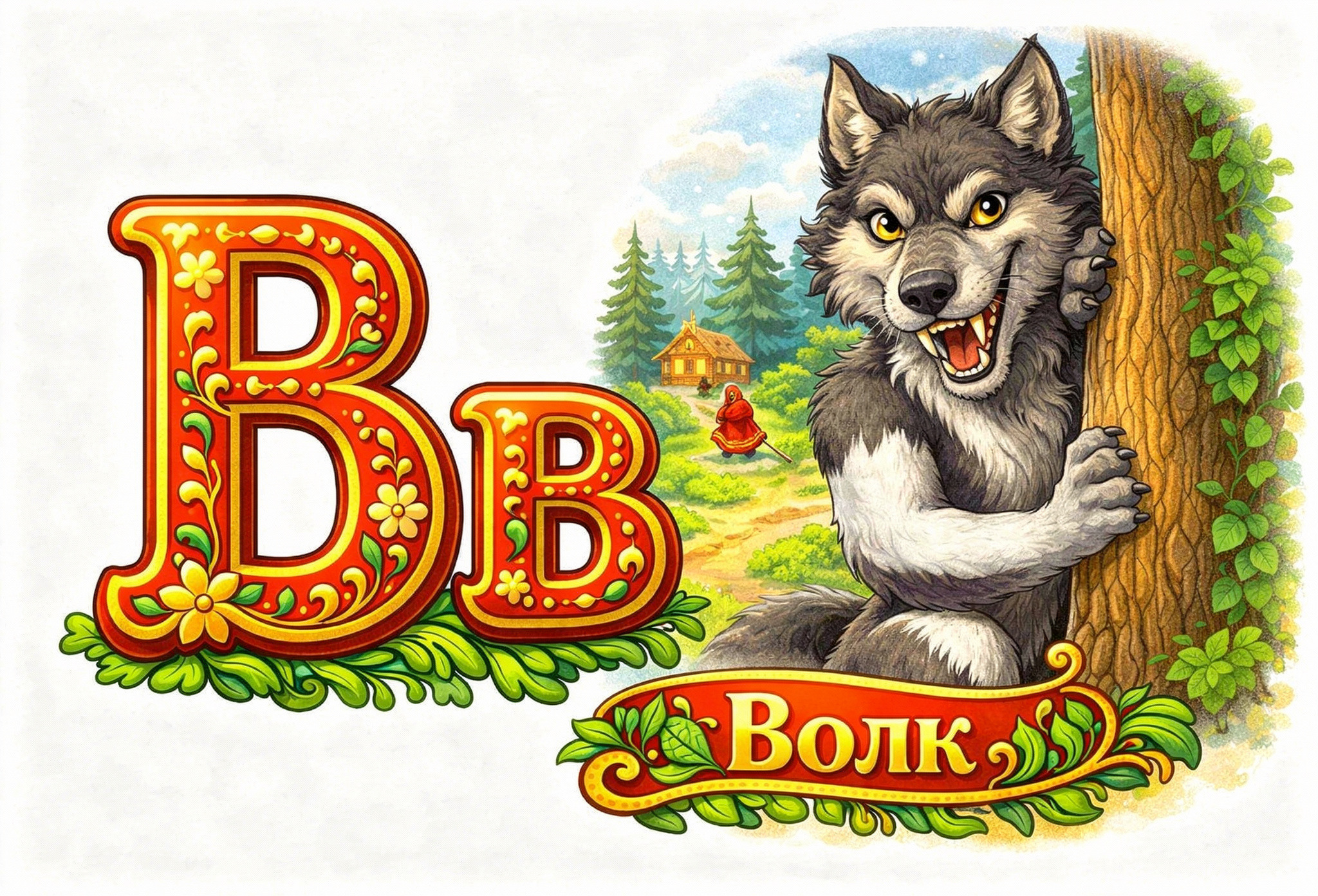
ВвВолк
In fairy tales, the wolf is often clever and a bit dangerous, but sometimes it becomes the hero’s helper. It’s a wild forest animal with gray fur and sharp teeth. The letter «В» is pronounced like “v,” as in “van.”
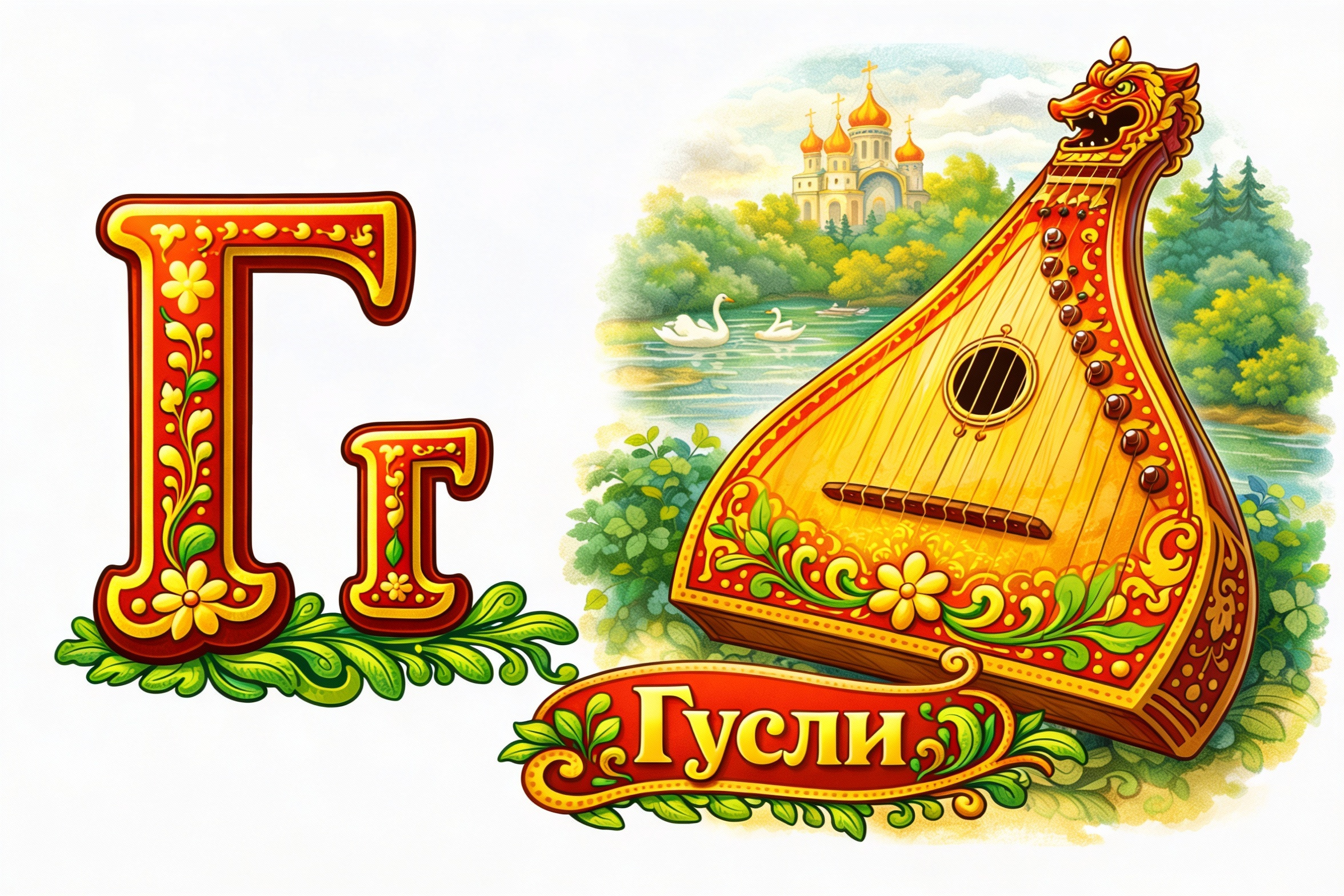
ГгГусли
Gusli are an old Russian string instrument that fairy‑tale musicians play. When they sound, it feels like magic and a celebration is starting. The letter «Г» is pronounced like hard “g,” as in “go.”
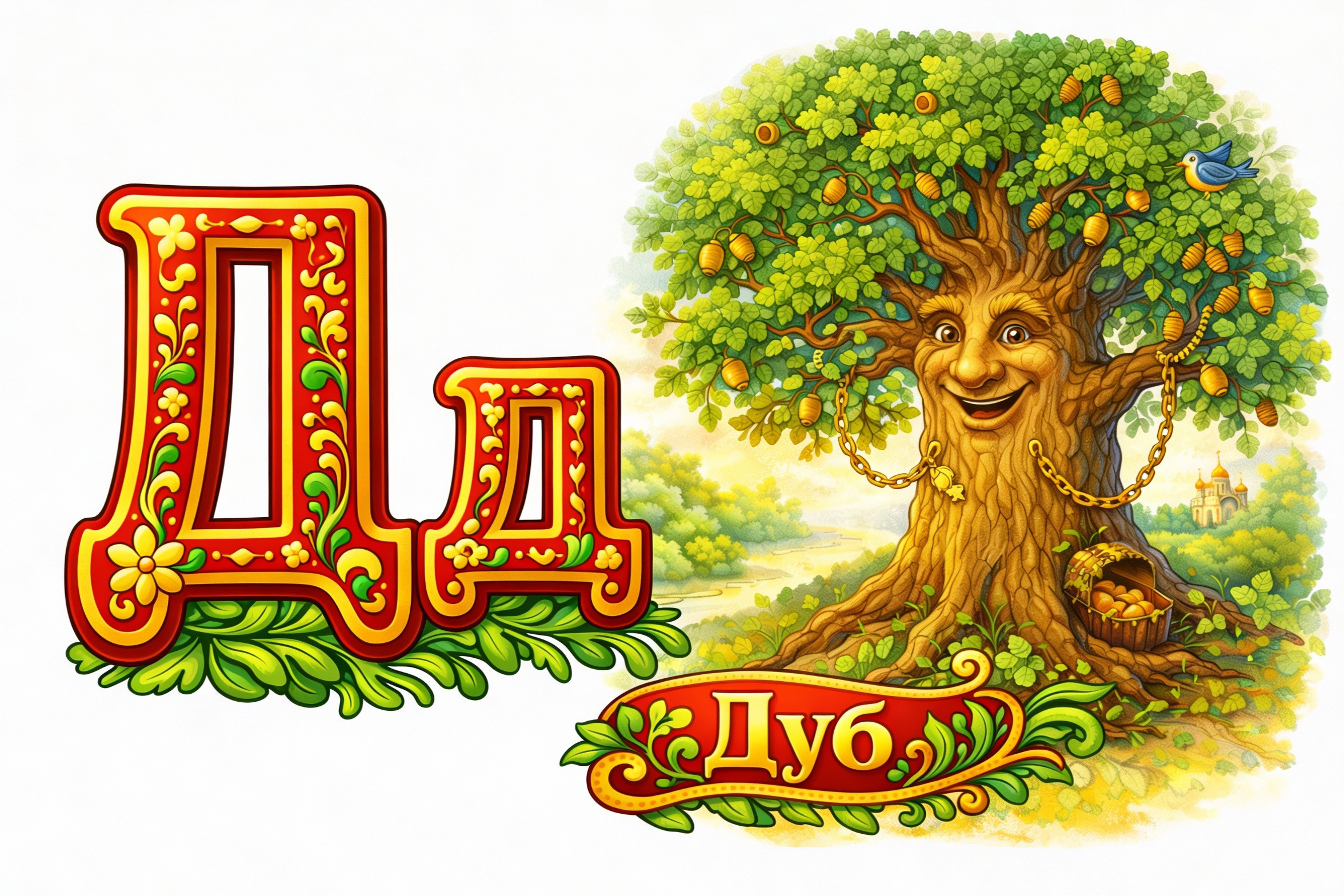
ДдДуб
An oak is a strong tree with a thick trunk and sturdy branches, and it can live for a very long time. In fairy tales, an oak often feels like a magical guardian of the forest. The letter «Д» is pronounced like “d,” as in “dog.”
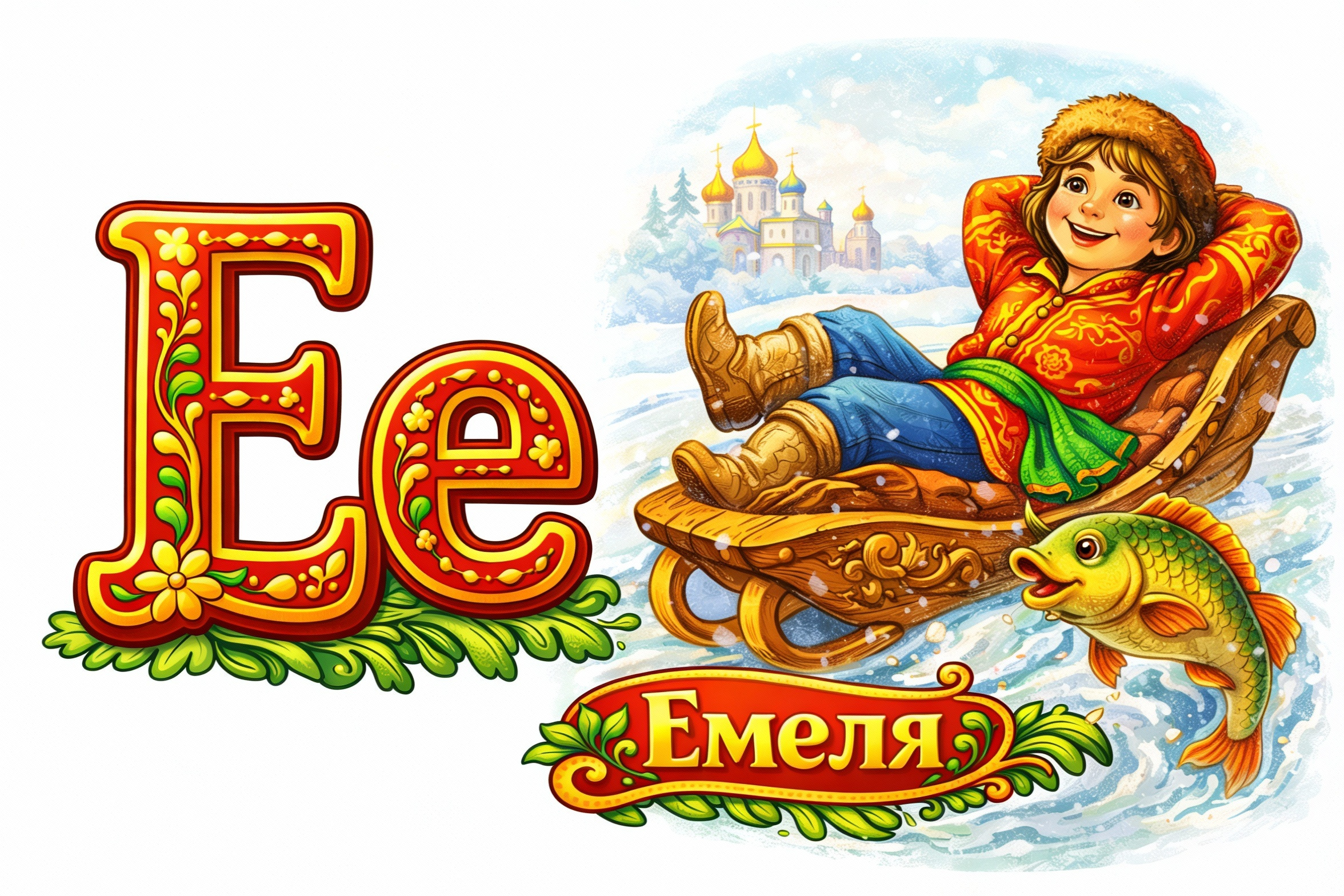
ЕеЕмеля
Emelya is a hero from a Russian fairy tale, a simple guy who gets lucky thanks to a magic pike. He starts out lazy, but by the end he learns to be brave and quick‑witted. The letter «Е» is usually like “ye” in “yes,” or like “e” after a consonant.
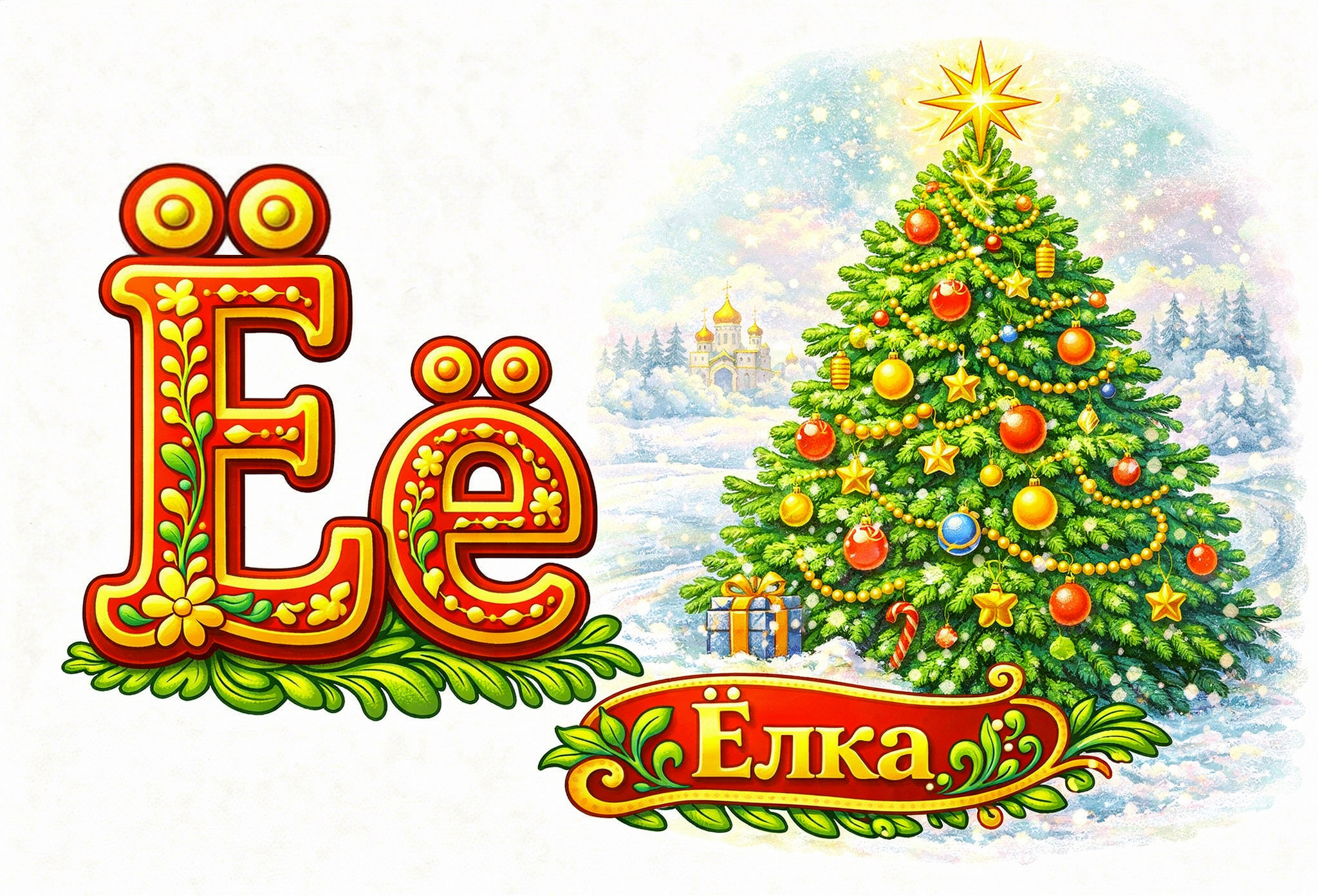
ЁёЁлка
A fir tree is an evergreen with needles that smells like the forest and winter. In stories and on holidays, people decorate it with ornaments and lights. The letter «Ё» is pronounced “yo,” like in “yoga” (starting sound).
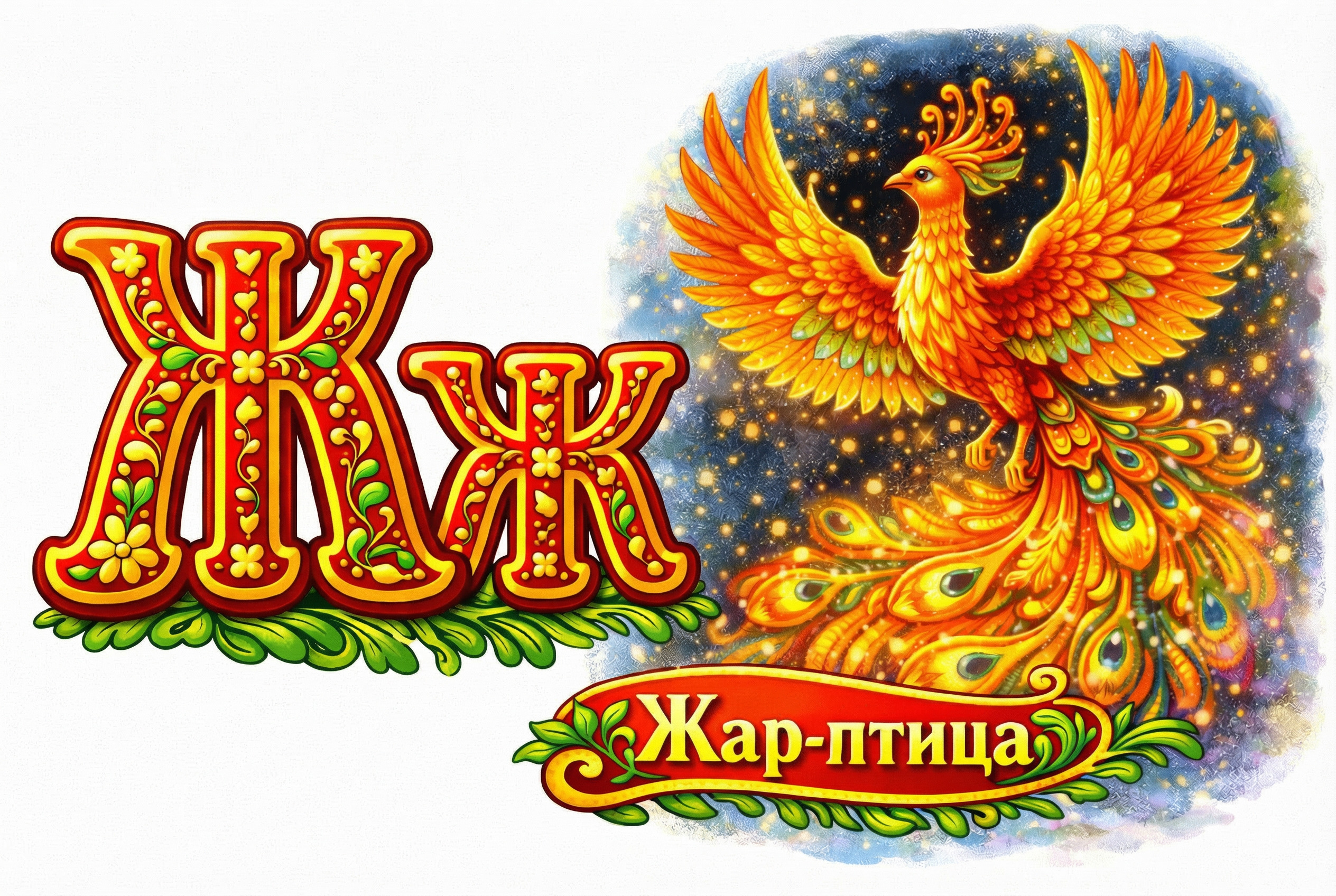
ЖжЖар-птица
The Firebird is a magical bird from Slavic fairy tales whose feathers glow like flame and bring good luck. Finding it is hard, so heroes often go on an adventure to search for it. The letter «Ж» sounds like “zh,” like the s in “measure.”
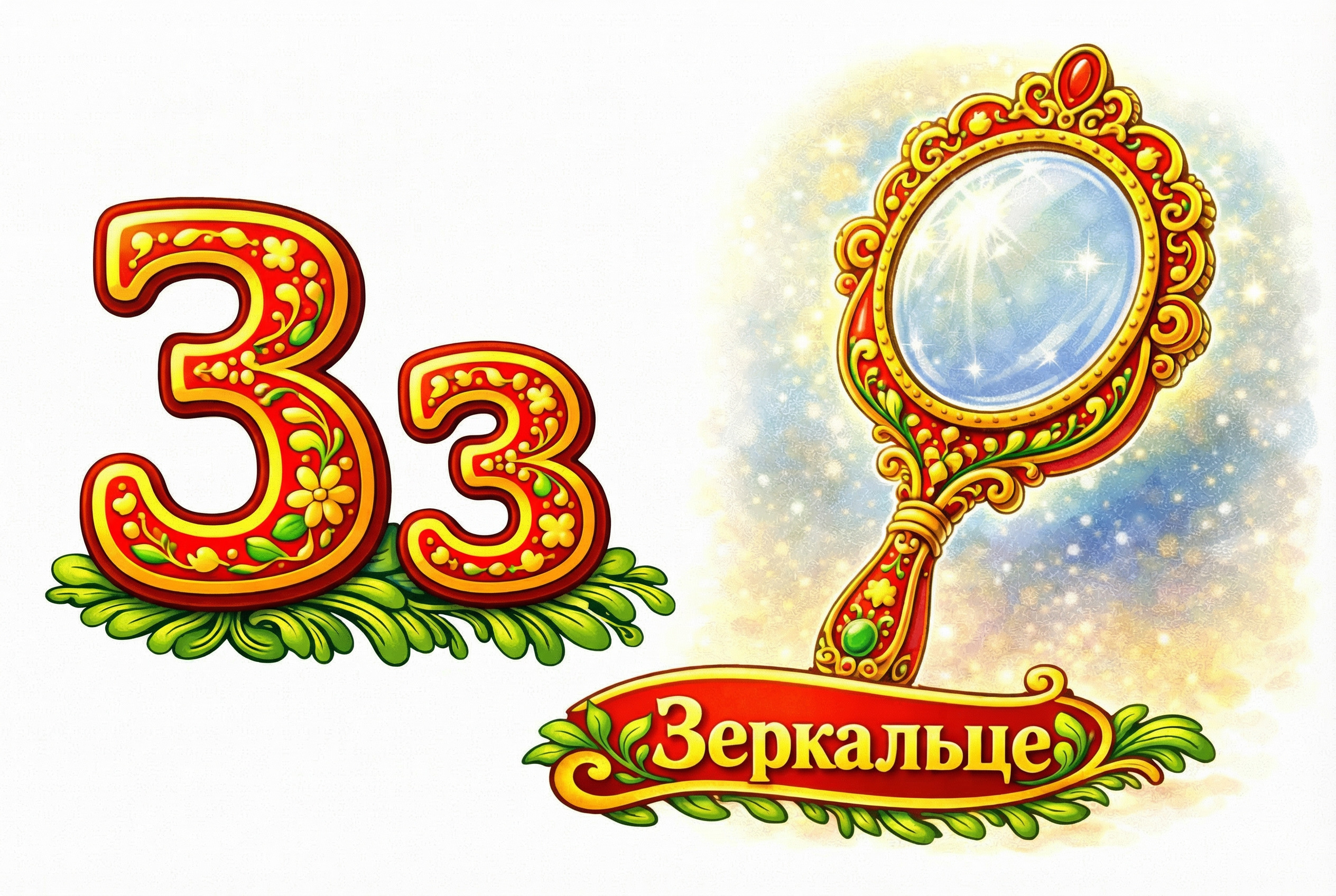
ЗзЗеркальце
A little mirror is something you look into to see your reflection. In fairy tales it can be magical and even answer questions. The letter «З» is pronounced like “z,” as in “zoo.”
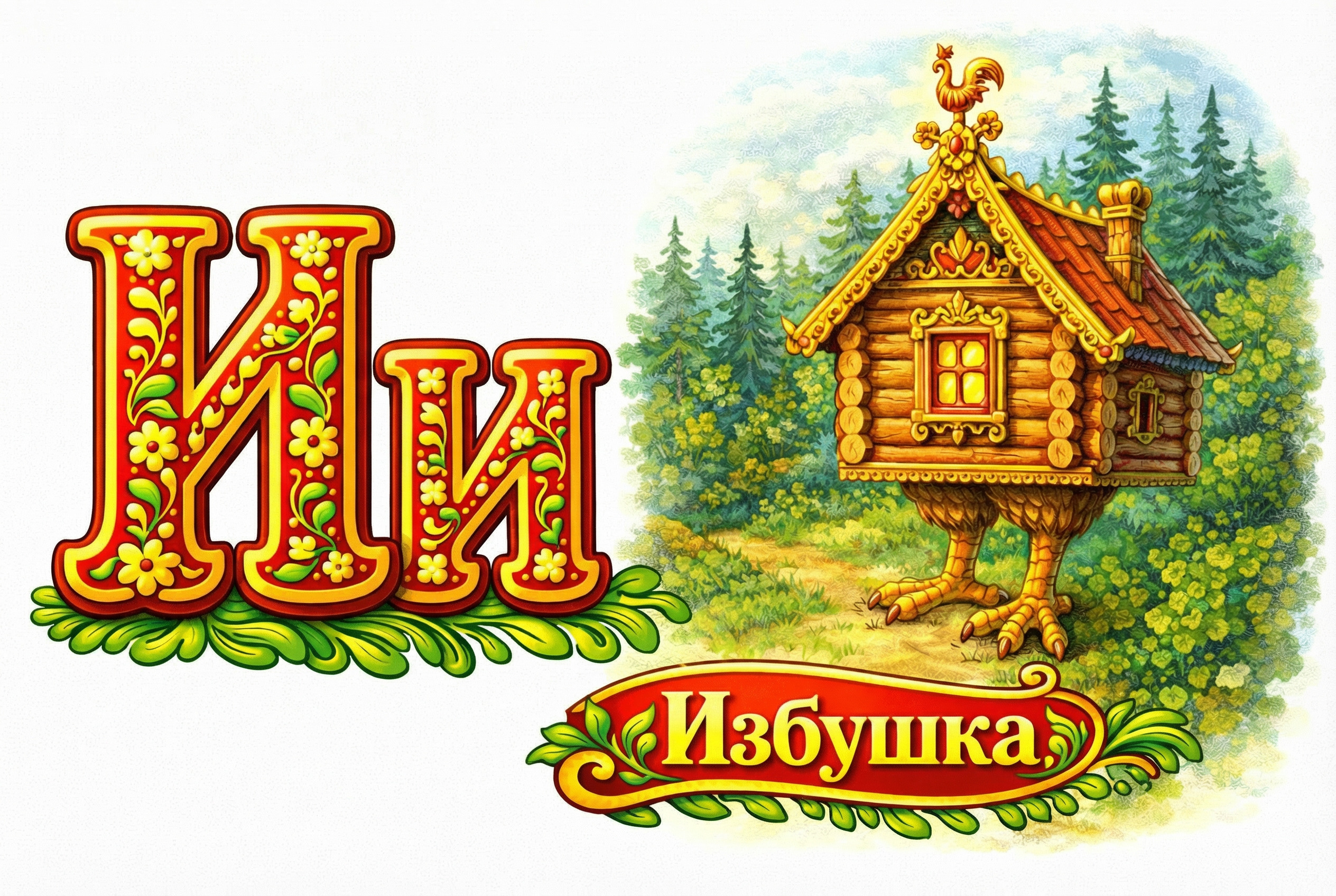
ИиИзбушка
An izba is a small wooden cottage like you’d see in old villages. In fairy tales, a hut can be magical—sometimes it even stands on chicken legs. The letter «И» is pronounced like “ee,” as in “see.”
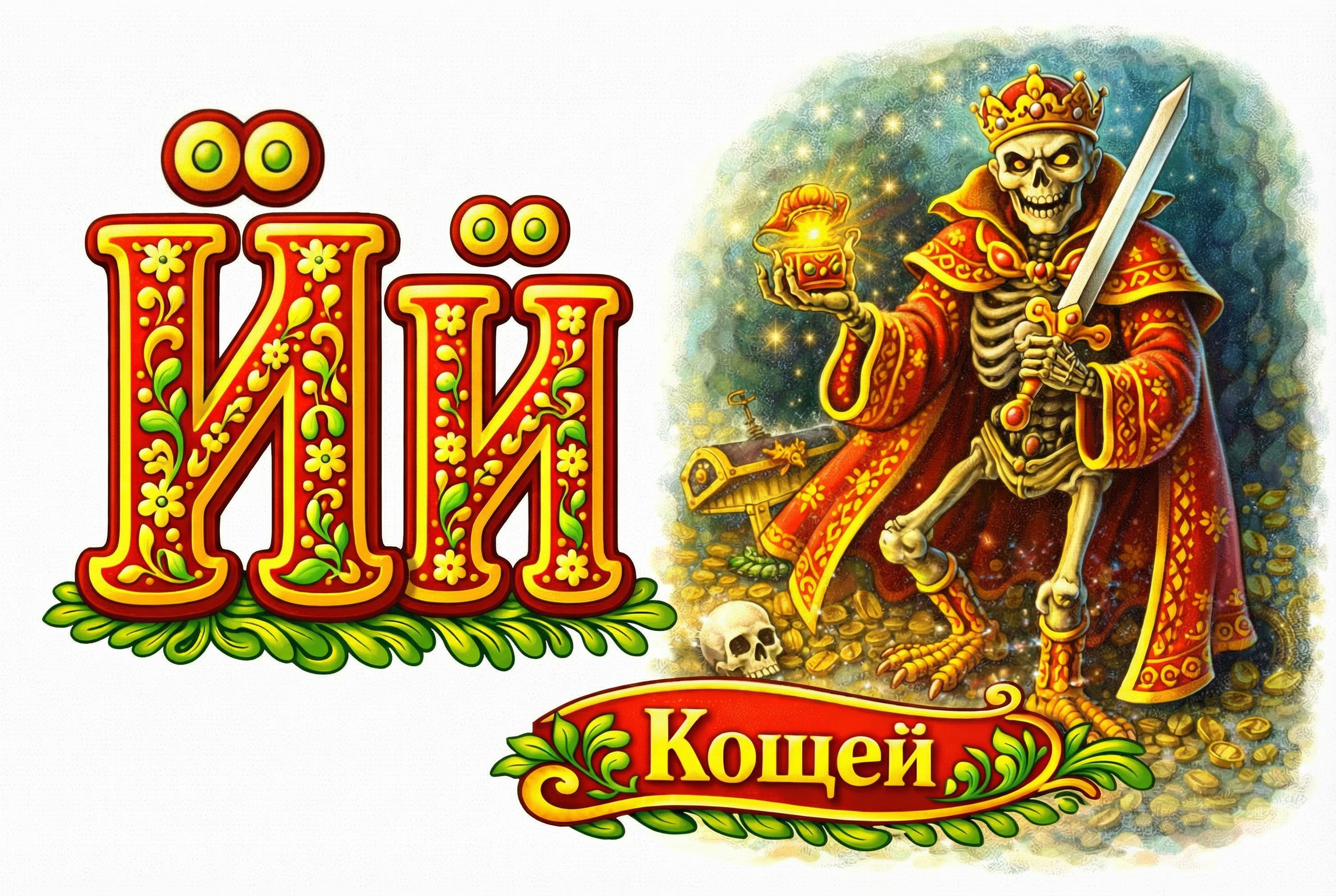
ЙйКощей
Koschei the Deathless is a villain from Russian fairy tales—thin, stubborn, and hard to defeat. His “death” is hidden far away, which is why the hero has to solve a tricky quest. The letter «Й» is a short “y” sound, like the y in “boy.”
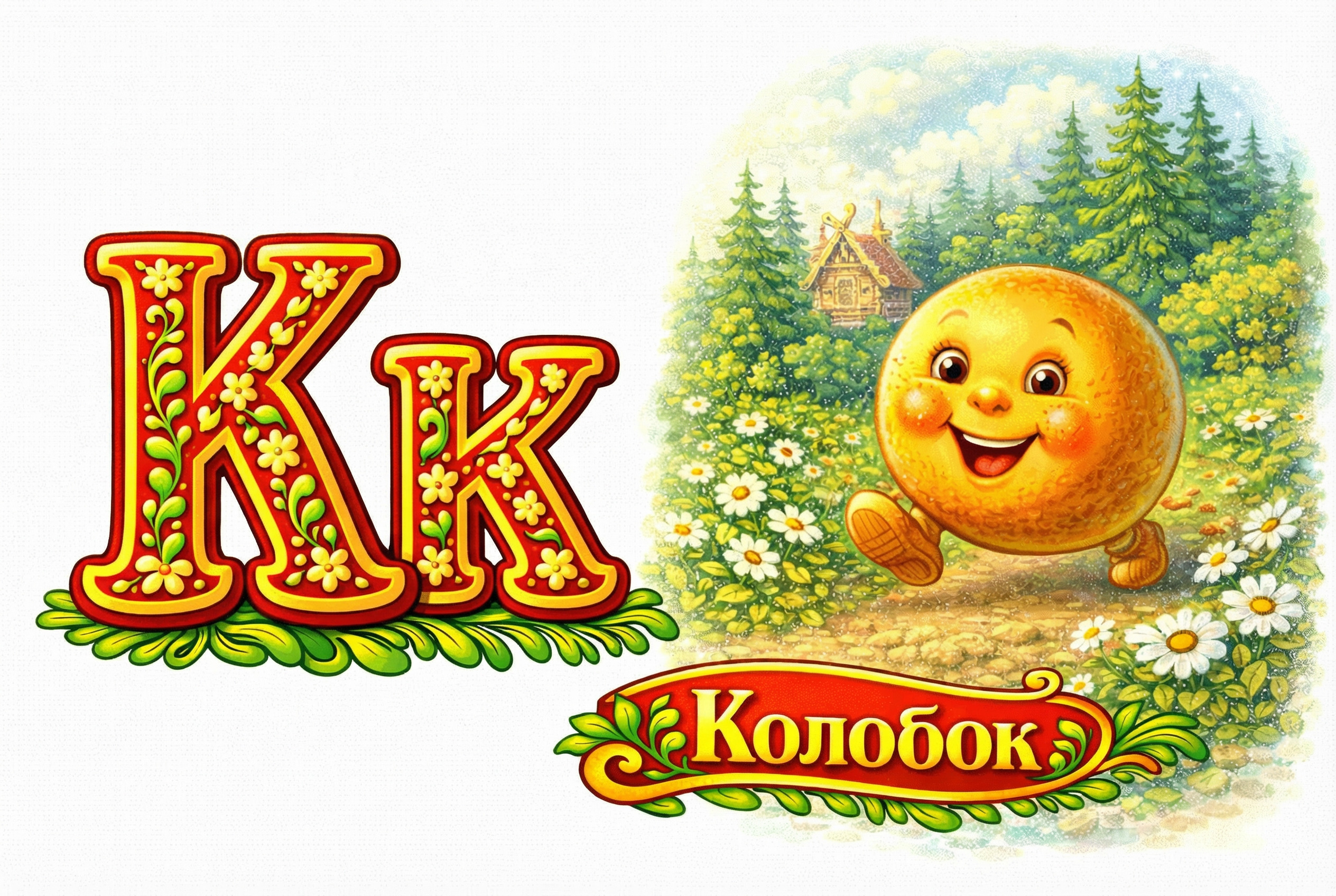
КкКолобок
Kolobok is a round little bun from a fairy tale that comes to life and rolls into the forest. He sings a song and escapes animals—until he meets a clever fox. The letter «К» is pronounced like “k,” as in “kite.”
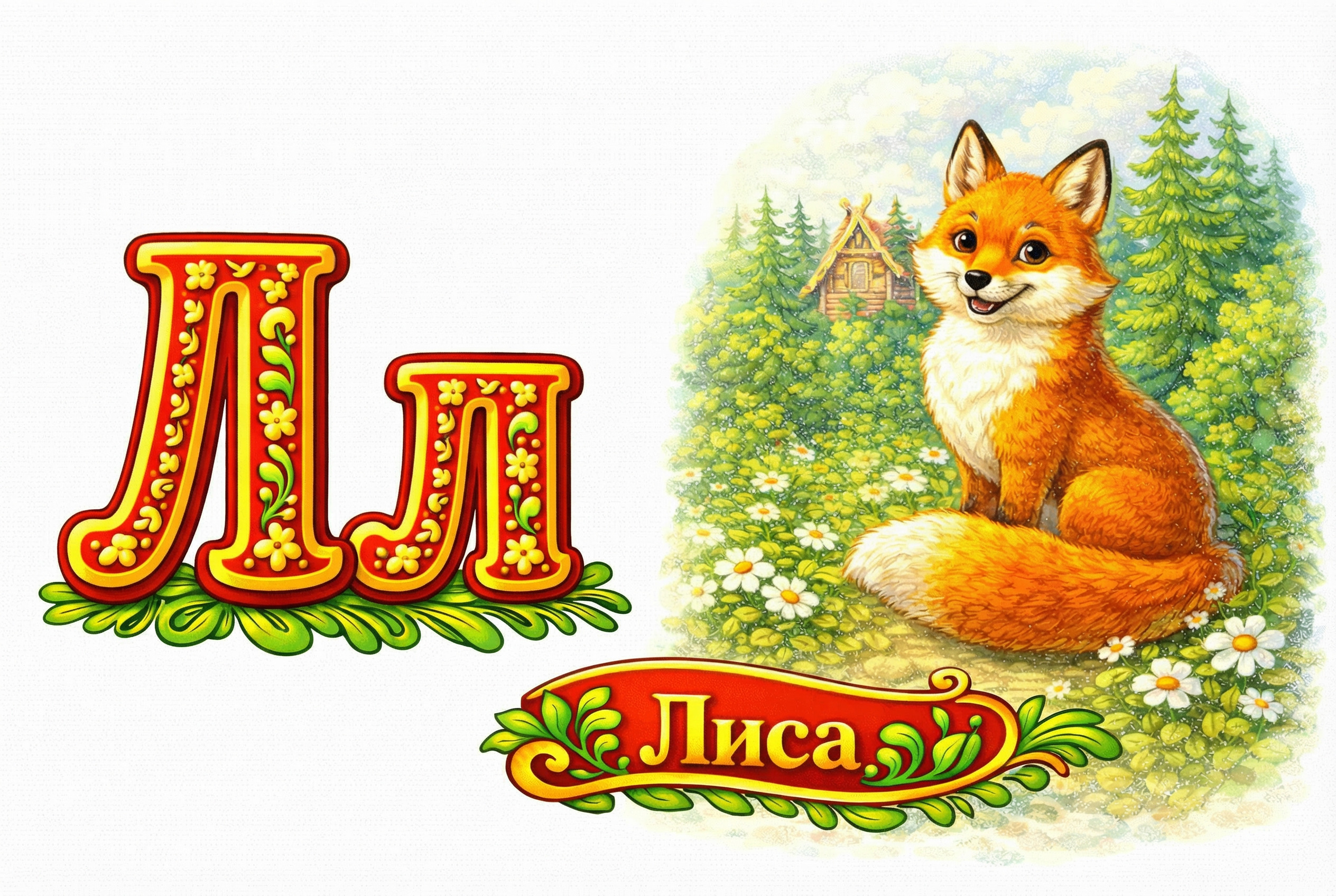
ЛлЛиса
In fairy tales, the fox is usually clever and tricky, always coming up with plans. You can spot it by its reddish fur and fluffy tail. The letter «Л» is pronounced like “l,” as in “lamp.”
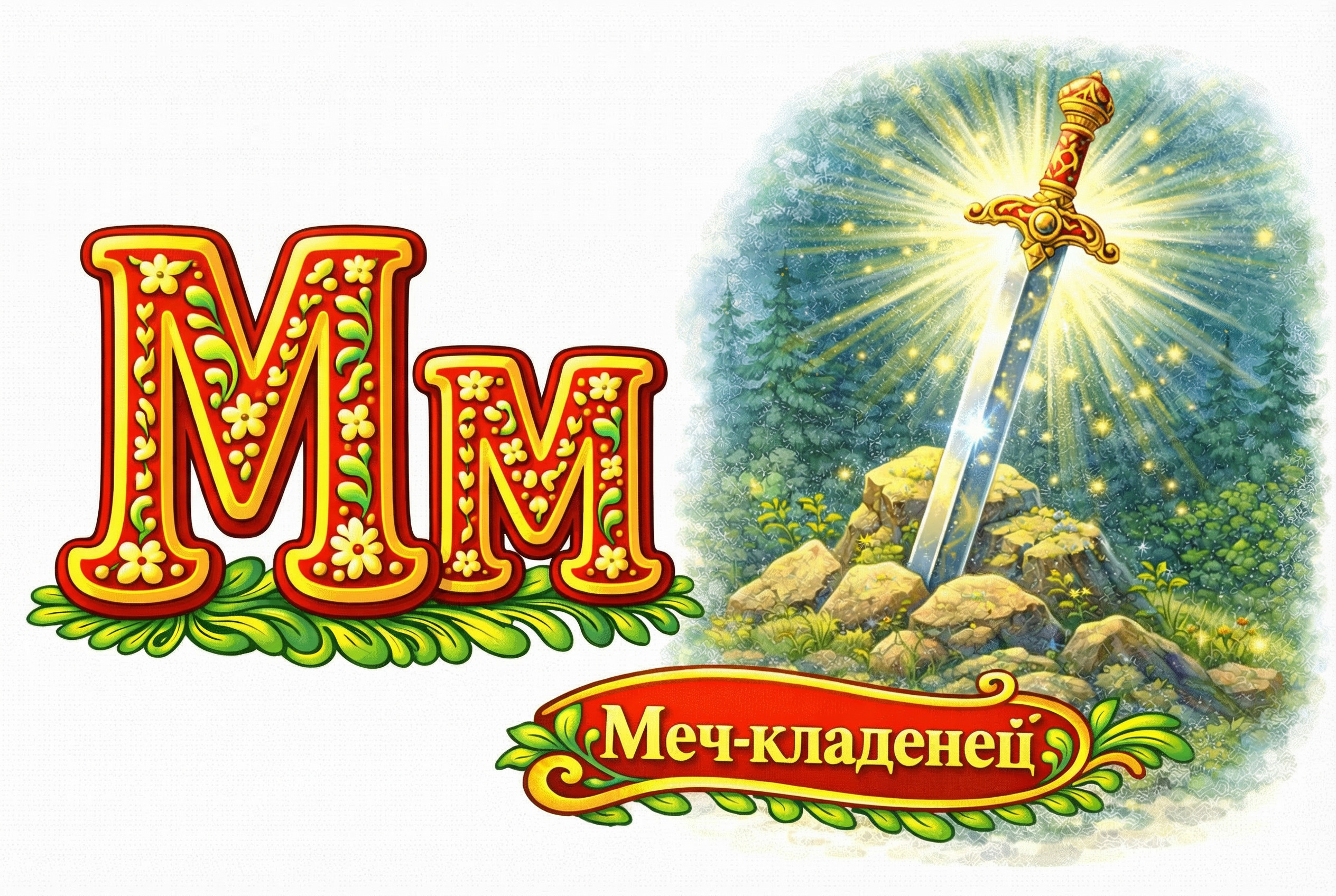
МмМеч-кладенец
A magic sword (Mech‑kladenets) is a legendary blade from Slavic tales that gives the hero great strength. It’s often found in a hidden place or earned after hard trials. The letter «М» is pronounced like “m,” as in “mom.”
НнНевеста
A bride is a girl who is about to get married, wearing special festive clothes. In fairy tales, the bride is often saved from evil spells or helped to find happiness. The letter «Н» is pronounced like “n,” as in “nose.”
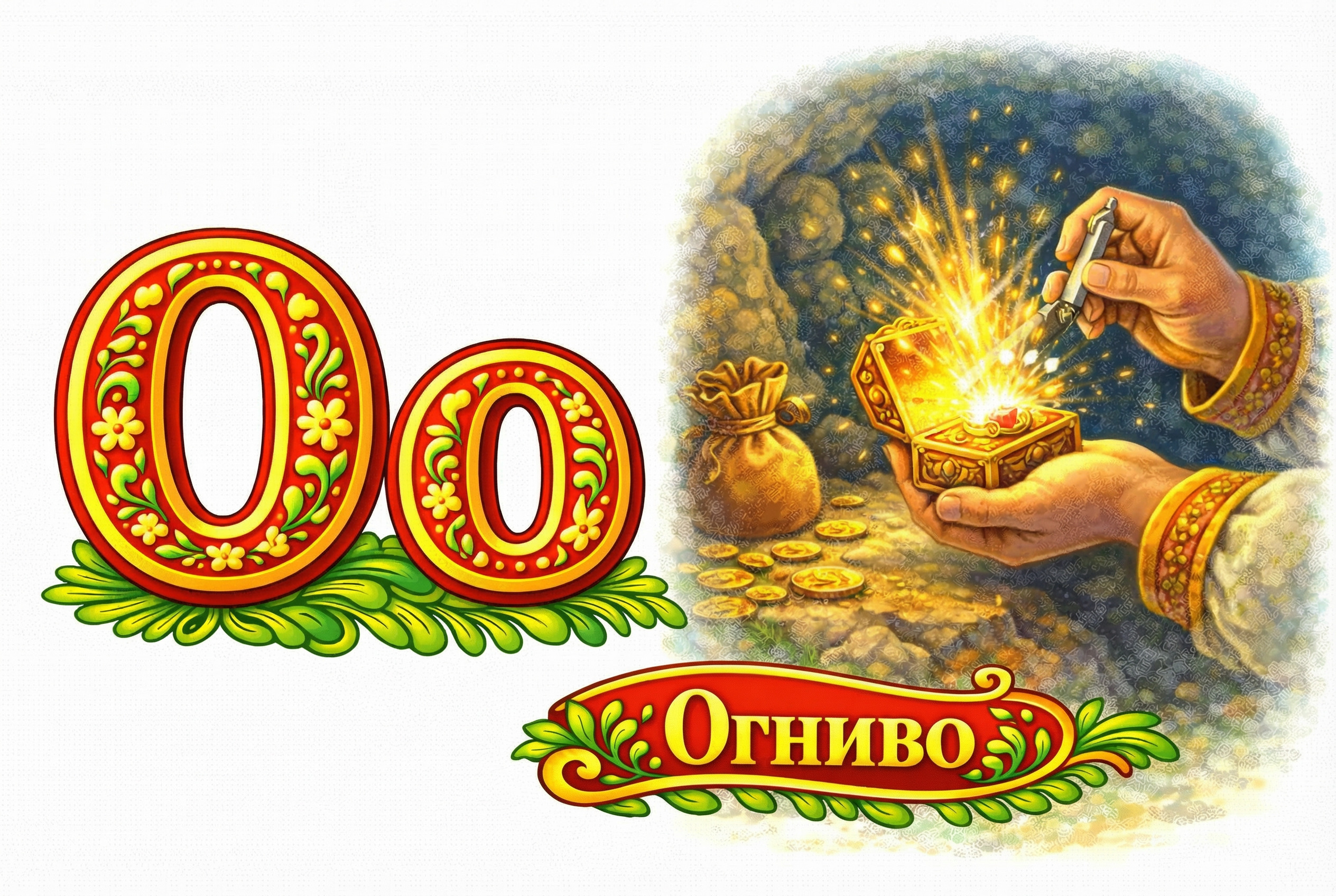
ОоОгниво
A tinderbox is an old tool people used to make fire by striking sparks. In fairy tales, it can be magical and help the hero call for help or make wonders happen. The letter «О» is pronounced like “o,” as in “or” (without the r).
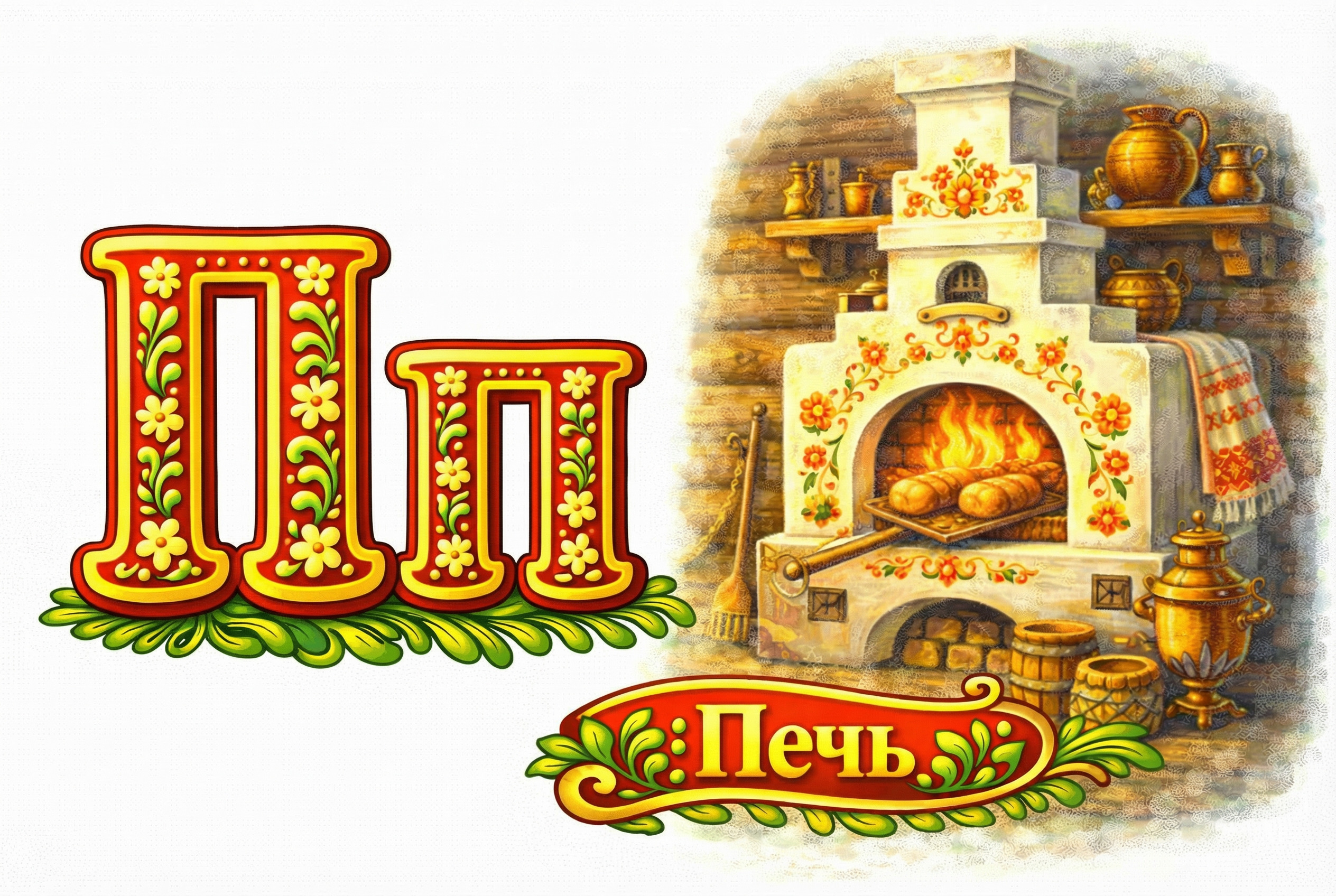
ПпПечь
A stove is a big home oven that cooks food and keeps the house warm. In Russian fairy tales, a stove can be magical—sometimes it even moves on its own. The letter «П» is pronounced like “p,” as in “spin.”
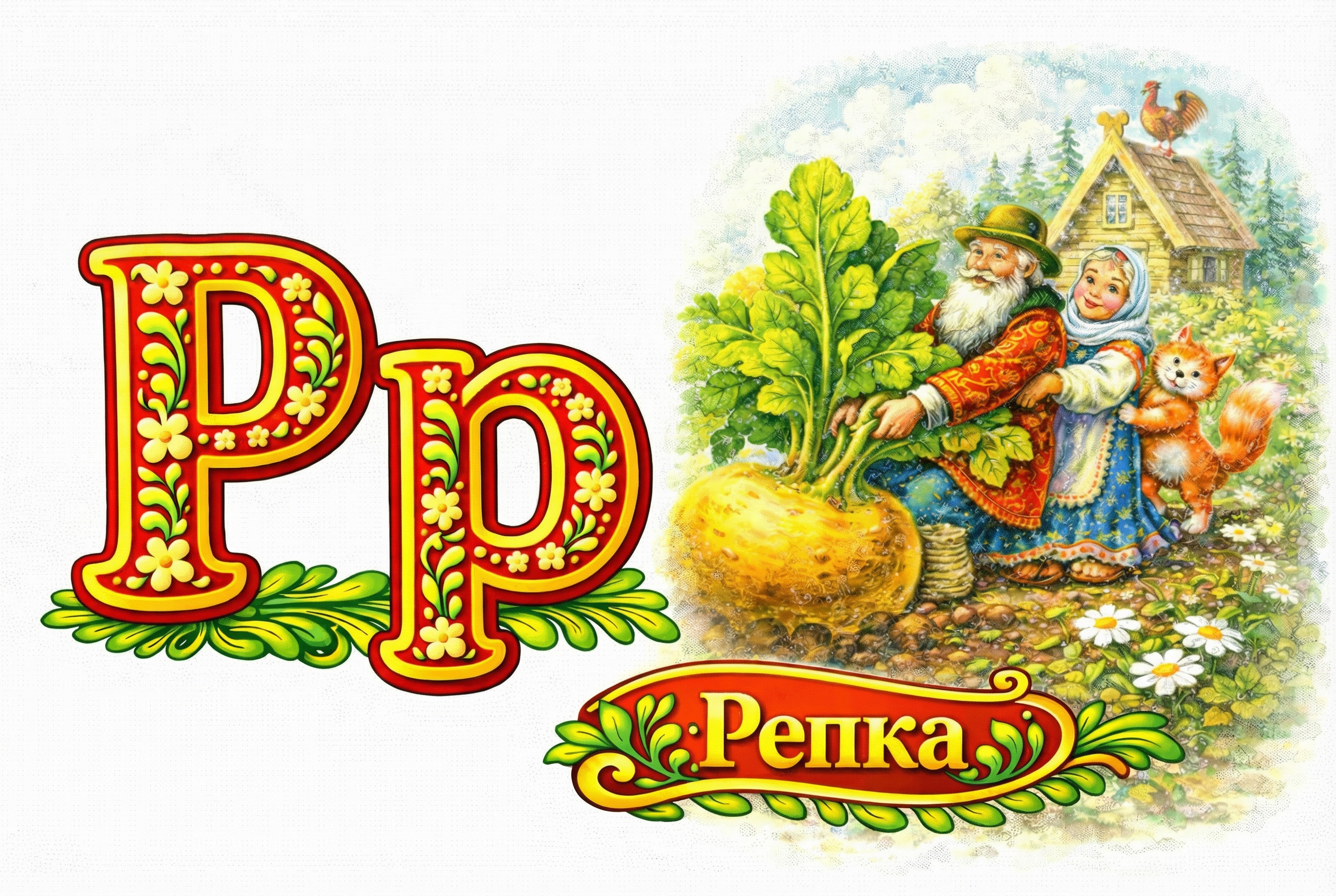
РрРепка
A turnip is a big root vegetable, kind of like a round carrot. In the tale “The Turnip,” everyone pulls together to get it out of the ground because one person can’t do it alone. The letter «Р» is a rolled r (not the English r), like in Spanish “perro.”
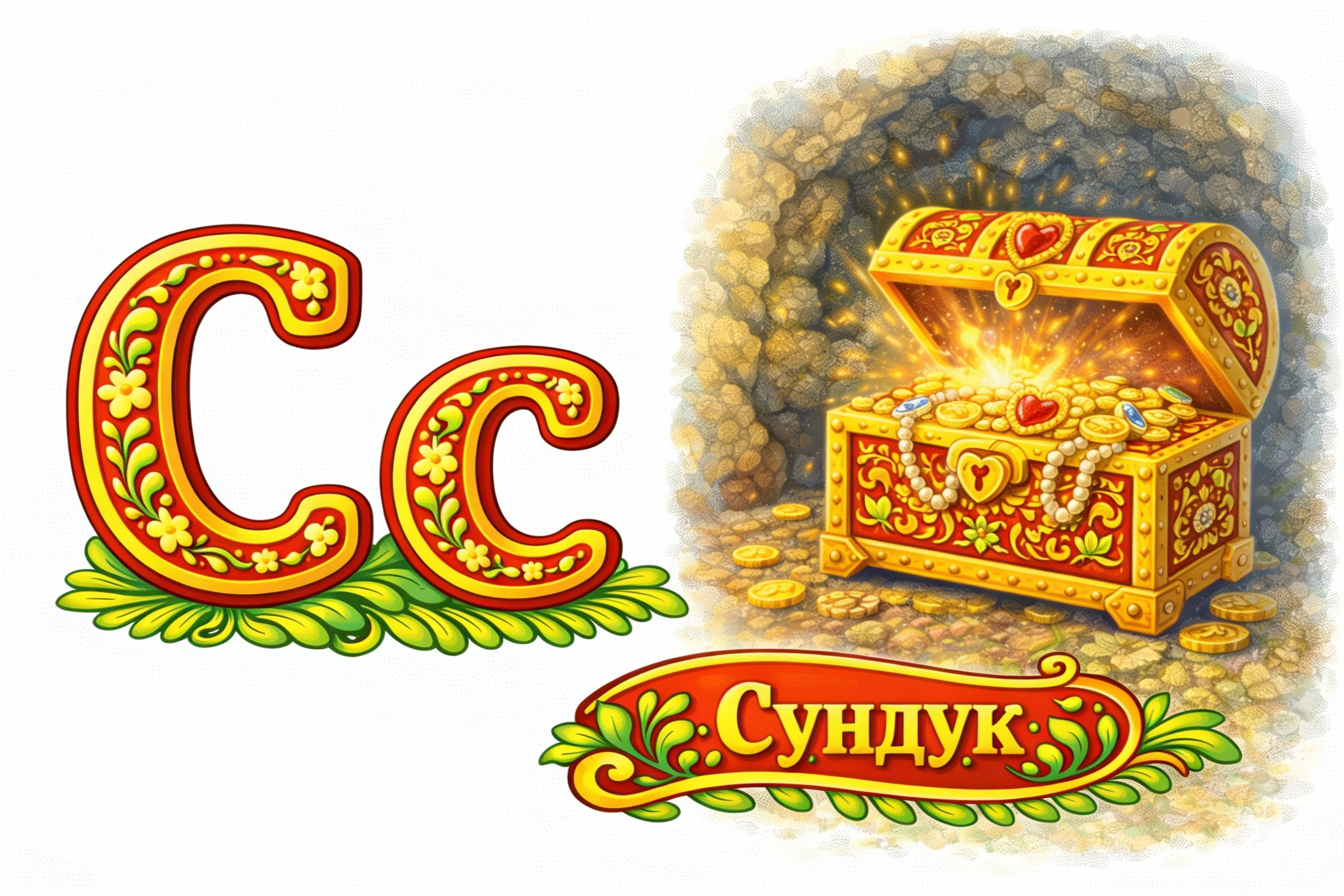
СсСундук
A chest is a big box with a lid where people store things—or treasure. In fairy tales, chests often hide magical items or riches. The letter «С» is pronounced like “s,” as in “sun.”
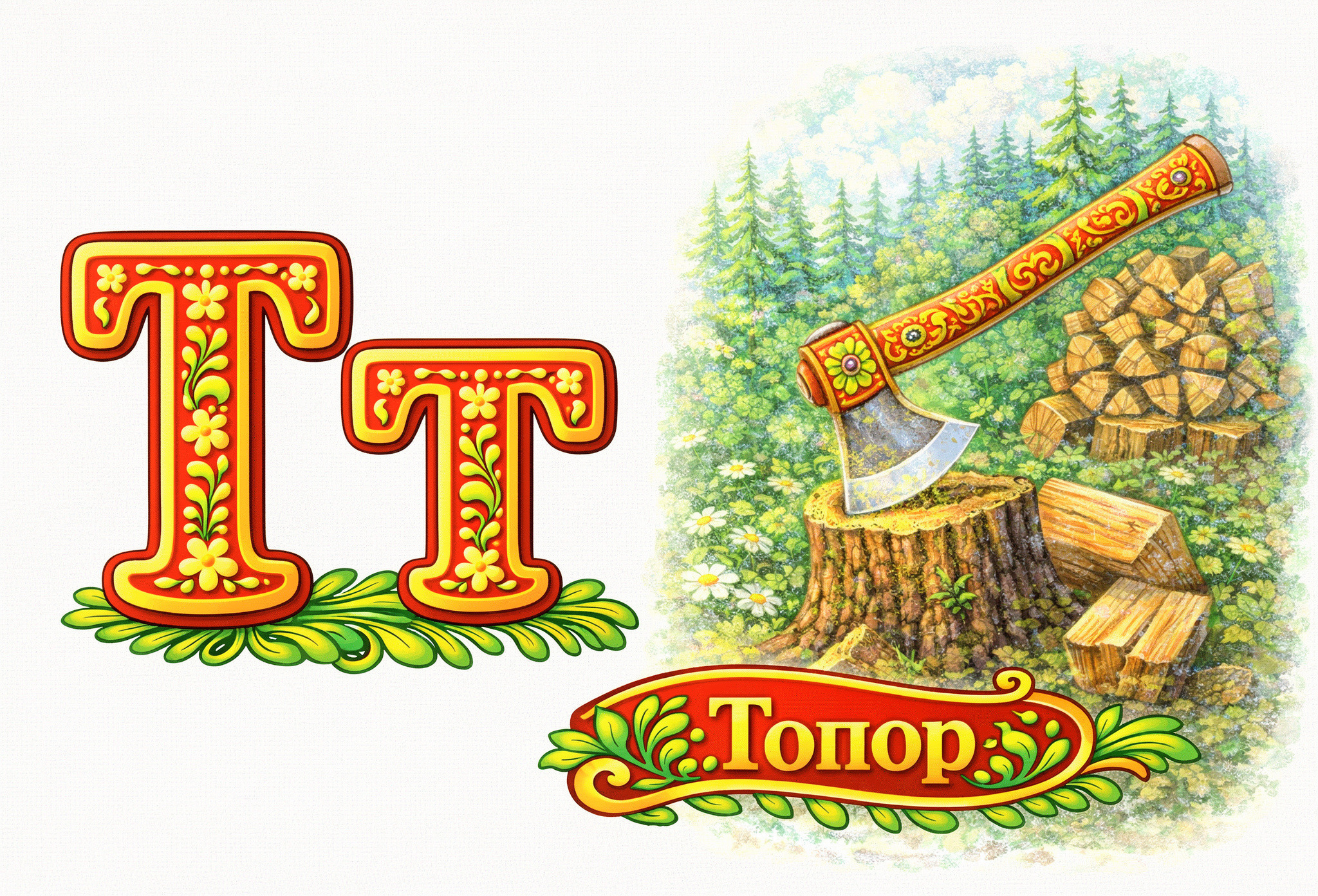
ТтТопор
An axe is a tool with a blade for chopping wood and working in the forest. In folk tales, it’s a trusty helper—and in one story, someone even makes “axe porridge.” The letter «Т» is pronounced like “t,” as in “stop.”
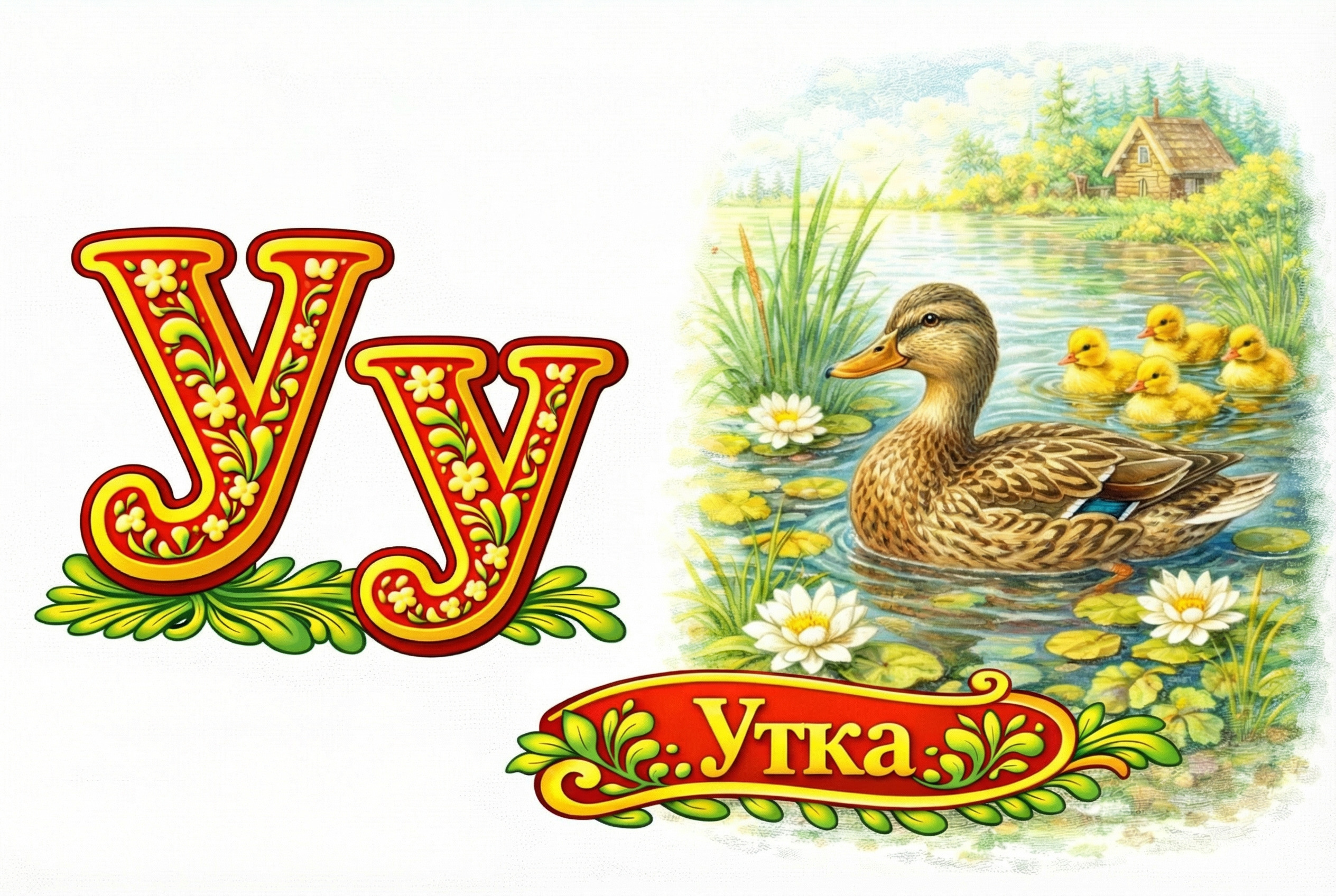
УуУтка
A duck is a bird that lives near water, swims well, and quacks. In fairy tales, a duck can be magical or bring an important discovery. The letter «У» is pronounced like “oo,” as in “boot.”
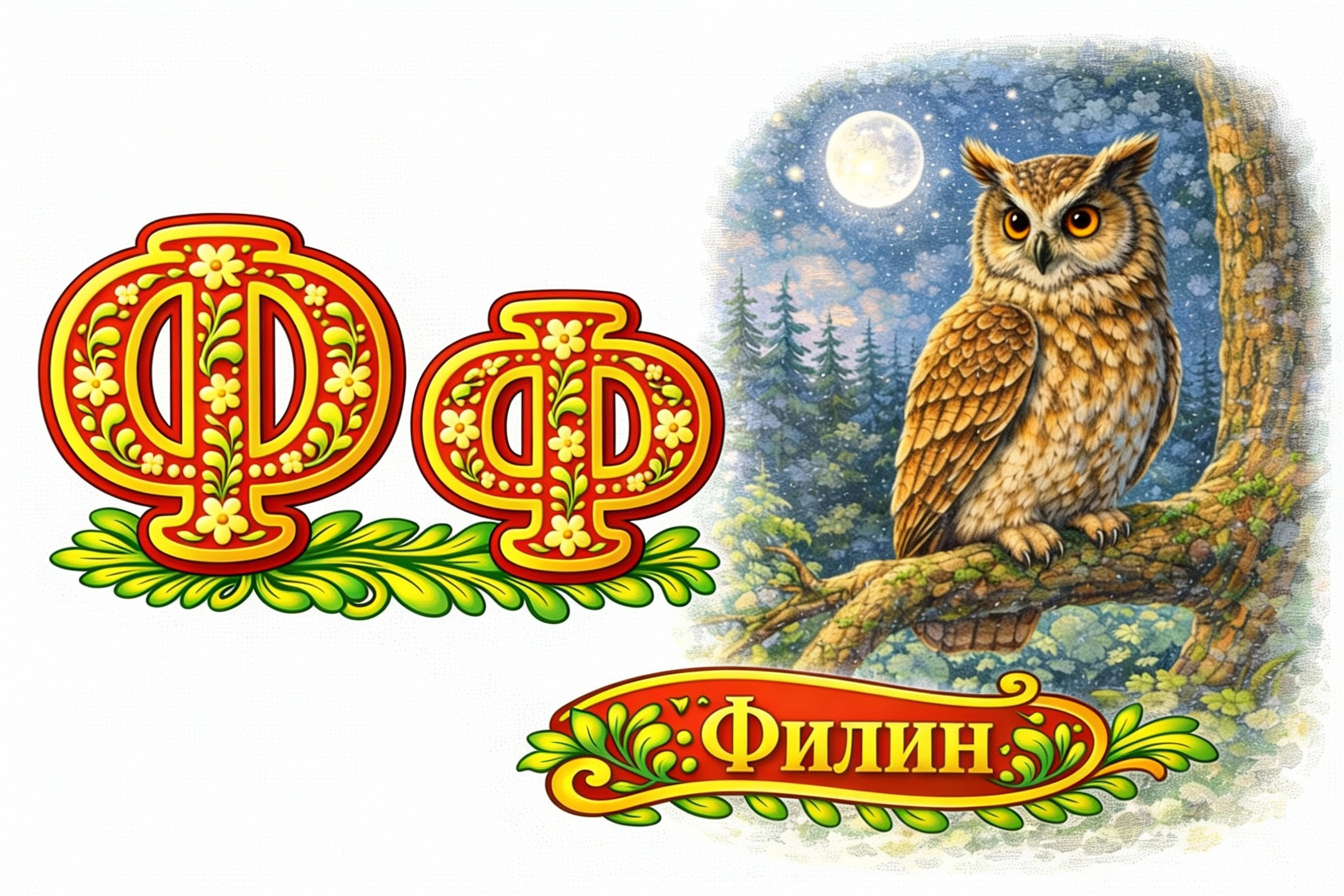
ФфФилин
An eagle‑owl is a big night owl with a serious look and fluffy “eyebrows.” In tales, it’s often wise and knows what happens in the forest after dark. The letter «Ф» is pronounced like “f,” as in “fun.”
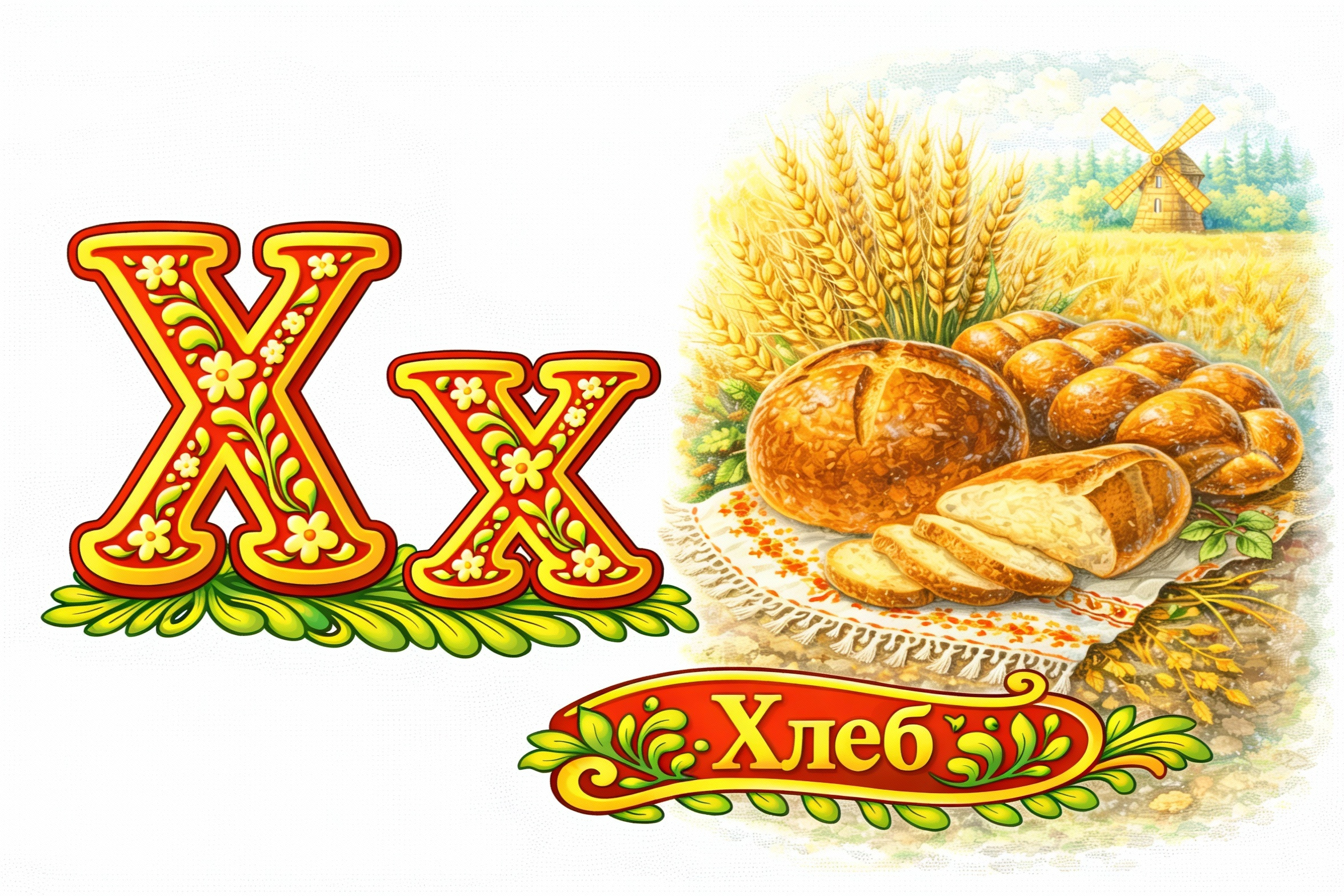
ХхХлеб
Bread is an important food made from flour, and it helps keep you full. In many folk tales, bread is respected, shared, and not wasted. The letter «Х» is a throaty “kh” sound, like in “Bach.”
ЦцЦветок
The Scarlet Flower is a rare, bright red flower from a fairy tale. It matters because it stands for true love and kindness—someone may face big challenges to get it, and it can bring hope or even break a spell. Letter: The letter “C” can sound like “s” before E or I, like in “city.”
ЧчЧудо-юдо
Chudo‑Yudo is a fairy‑tale monster that can be huge and strange, sometimes with several heads. The hero beats it not just with strength, but with clever thinking. The letter «Ч» is pronounced like “ch,” as in “chess.”
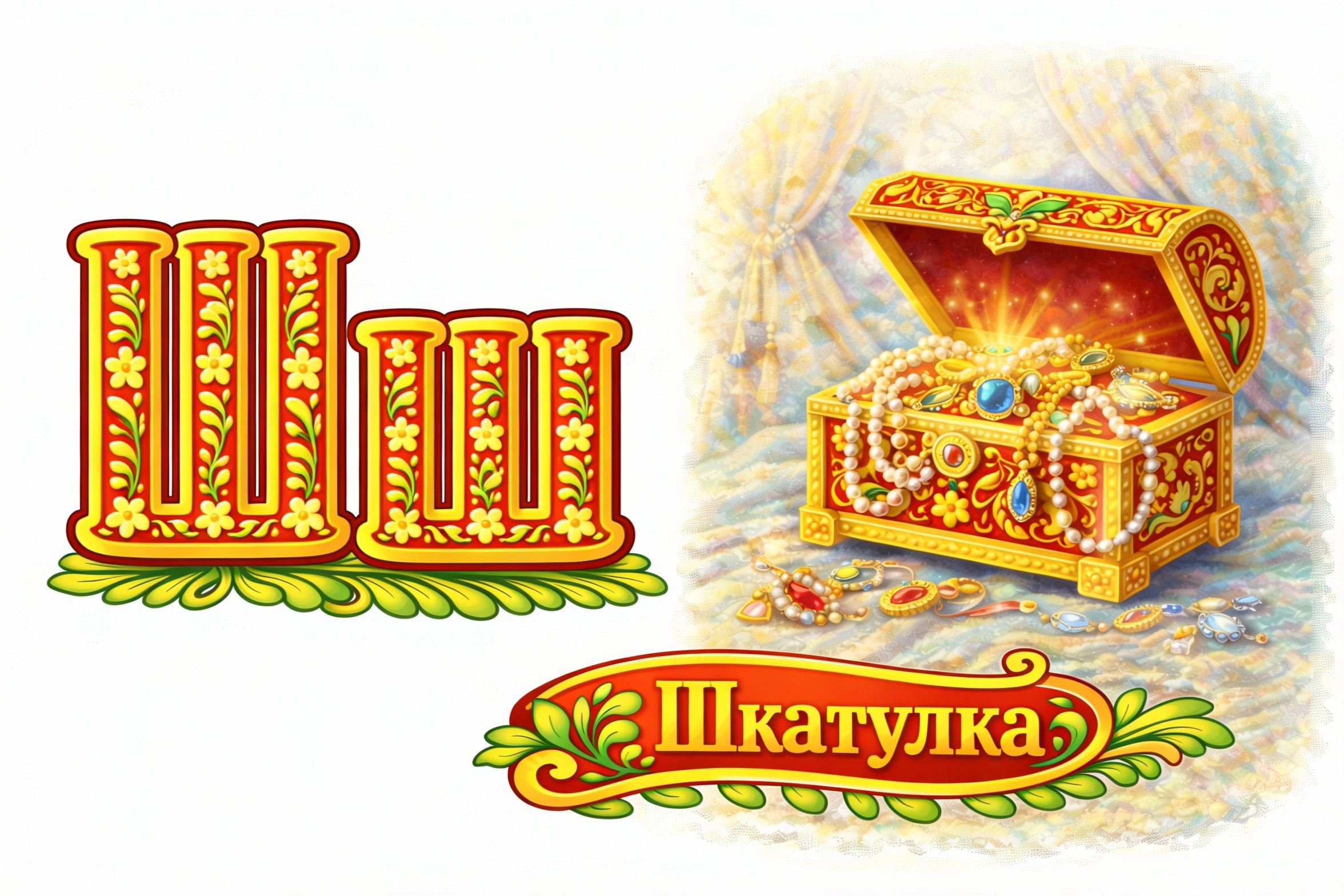
ШшШкатулка
A jewelry box is a small pretty box for treasures and secrets. In fairy tales, it might open only for a kind person or keep something magical inside. The letter «Ш» is pronounced like “sh,” as in “ship.”
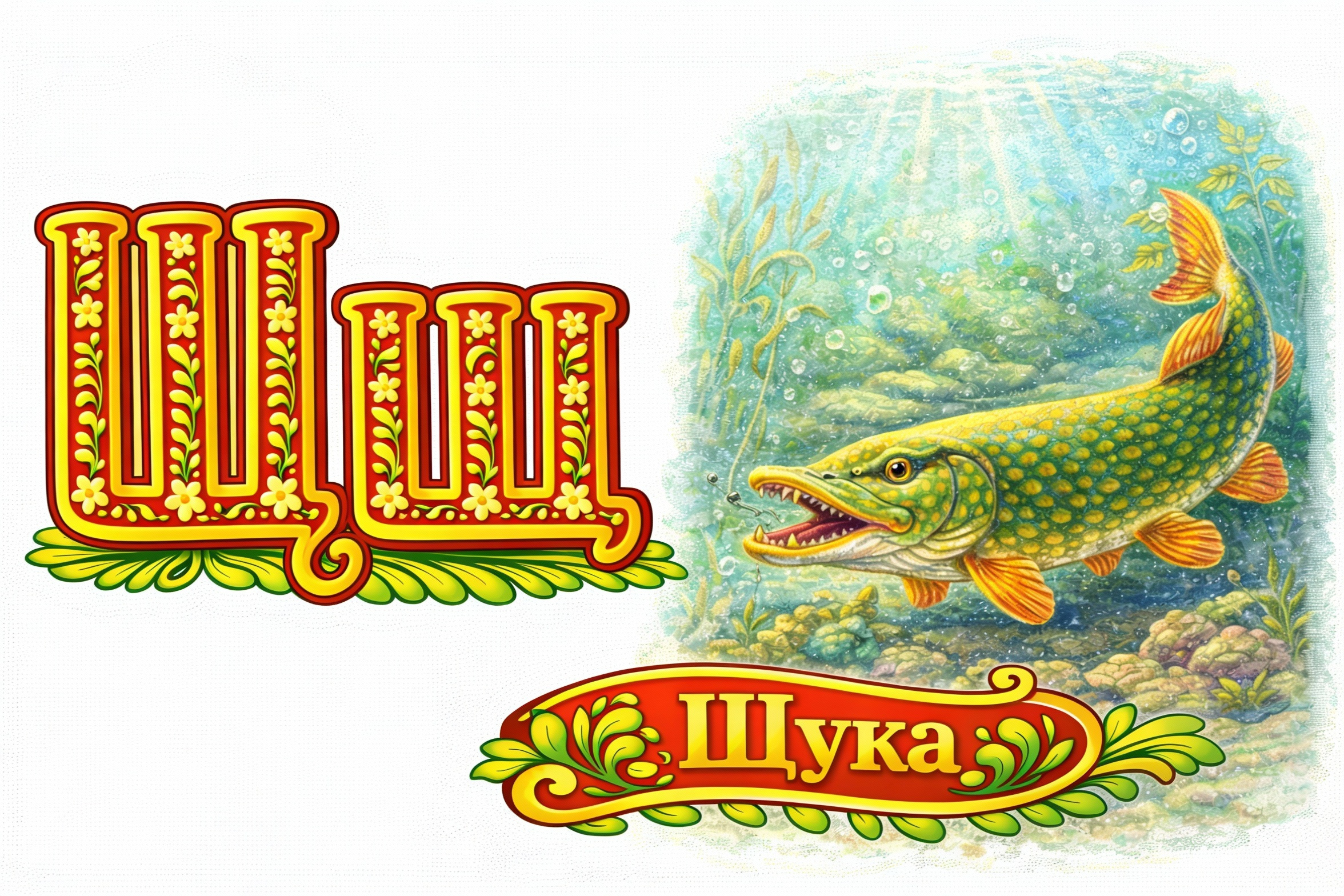
ЩщЩука
A pike is a long fish with sharp teeth that lives in rivers and lakes. In Russian fairy tales, a pike can be magical and grant wishes. The letter «Щ» is a longer, softer “shch” sound, like “sh” plus a quick “ch.”
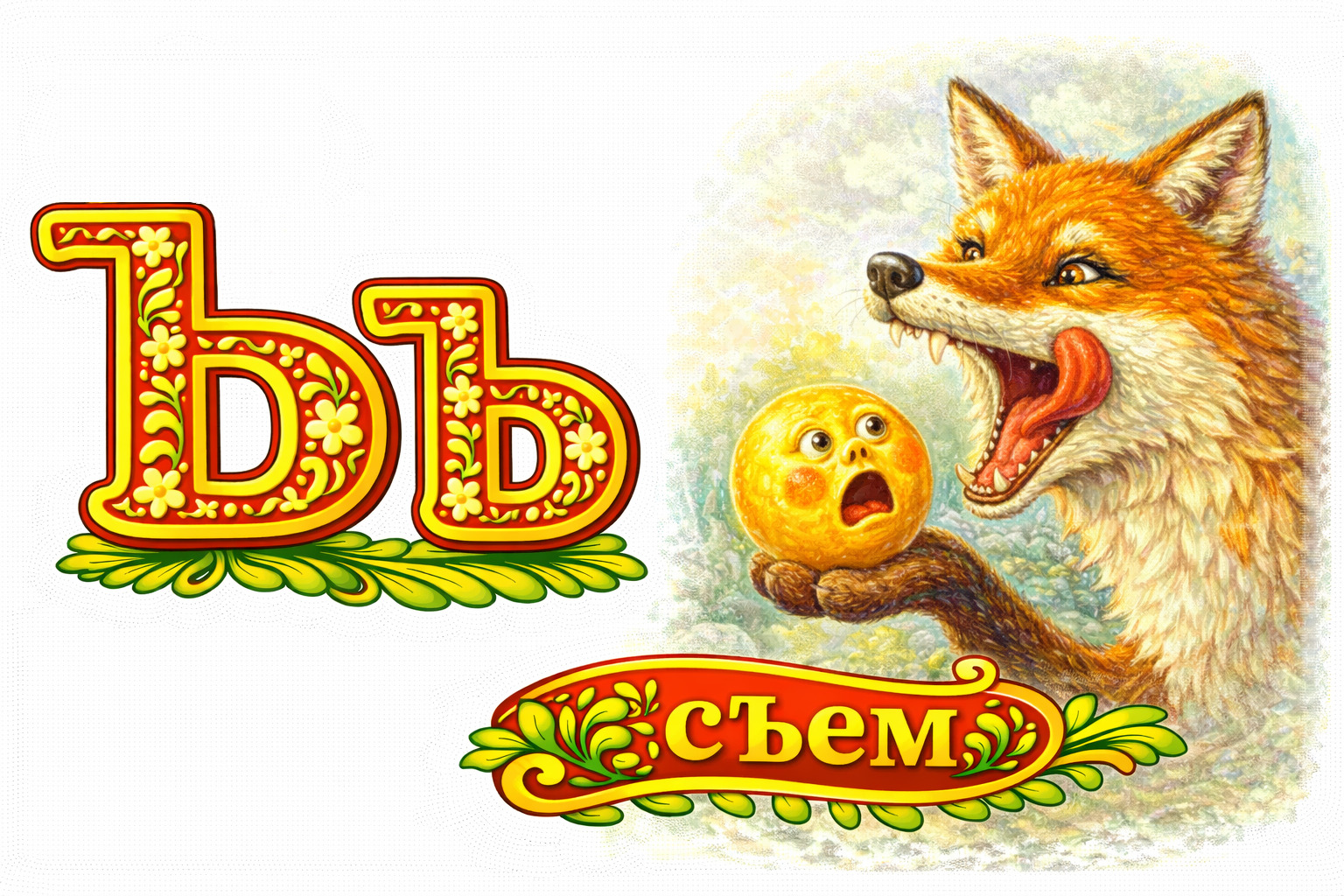
ЪъсЪем
S’em (going to eat) is when someone plans to eat something: for example, the fox says to Kolobok, "I'll eat you." In words with a hard sign after a prefix, a small "razdel" (or "partition") is heard, as in "s’em" (will eat something) and "poem" (will eat in general). The hard sign "Ъ" (or "ъ") has no sound: it separates parts of a word, as in "s’em".
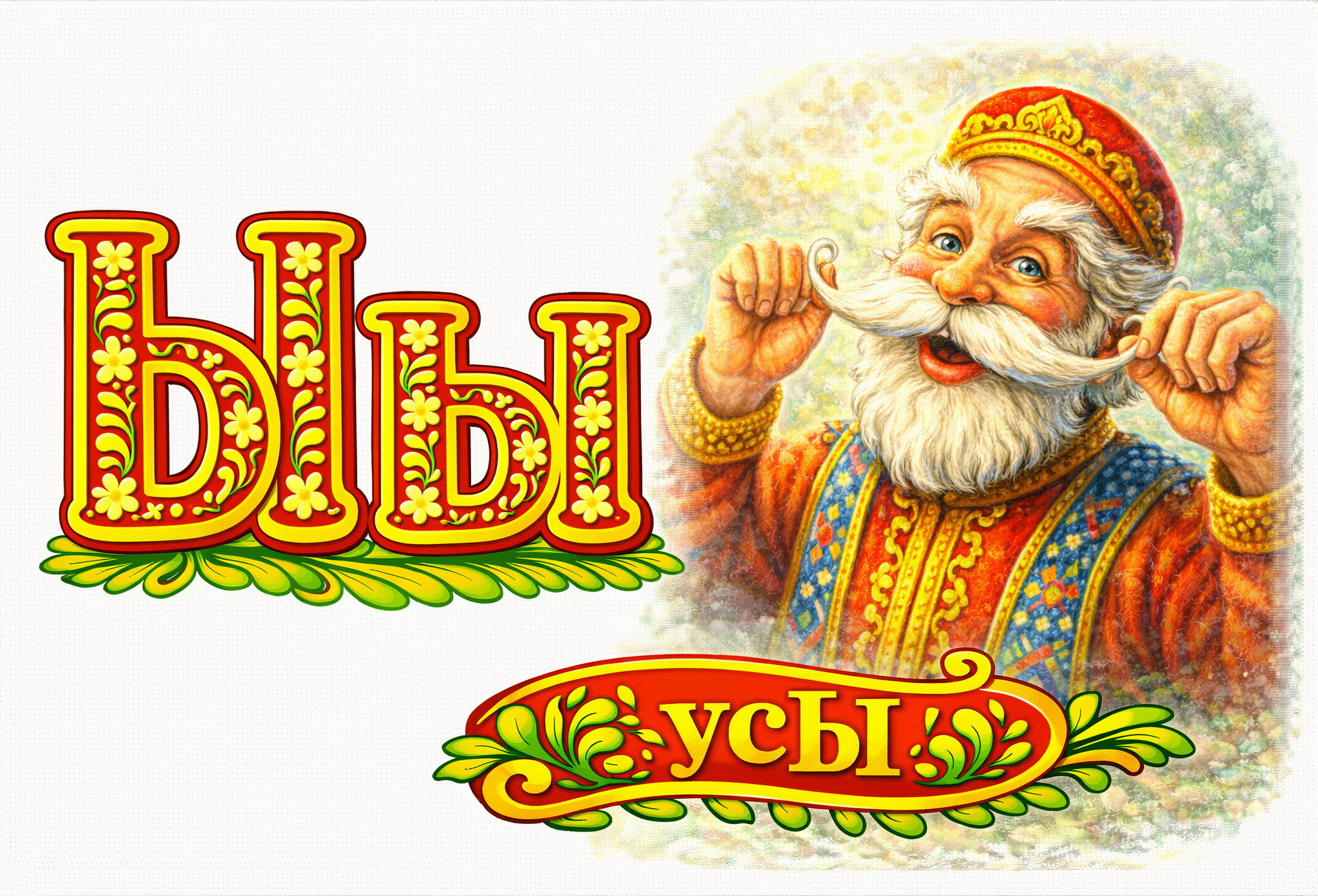
ЫыусЫ
A mustache is hair that grows above the upper lip, like some grown‑ups or story characters have. Mustaches can be funny—big, curly, and easy to recognize. The letter «Ы» is a special Russian vowel, roughly between “i” and “oo.”
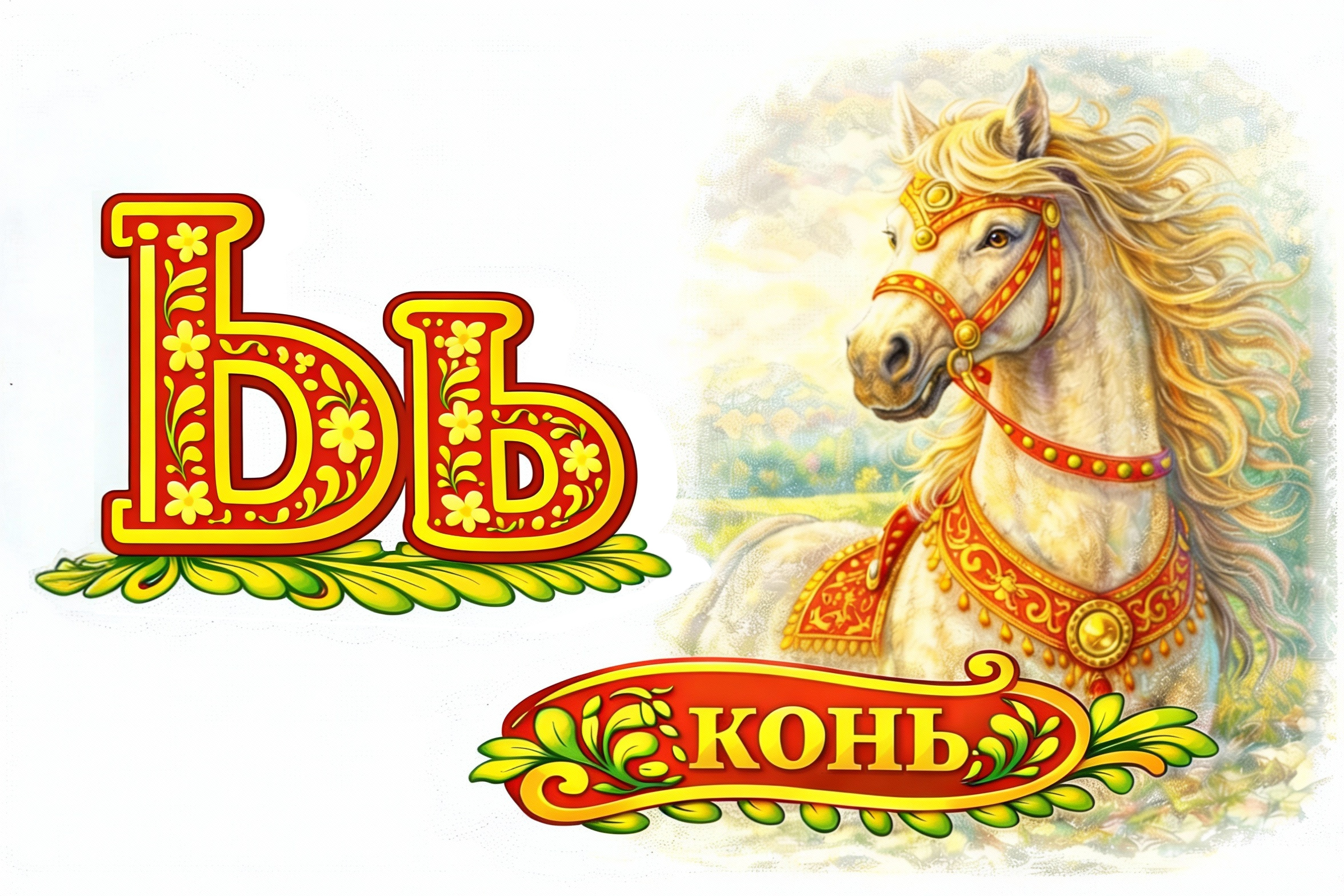
ЬьконЬ
A steed is a horse—strong and fast—and it helps people ride and carry things. In fairy tales, a horse can be the hero’s loyal friend and sometimes even talk. The soft sign «Ь» has no sound; it makes the previous consonant softer.
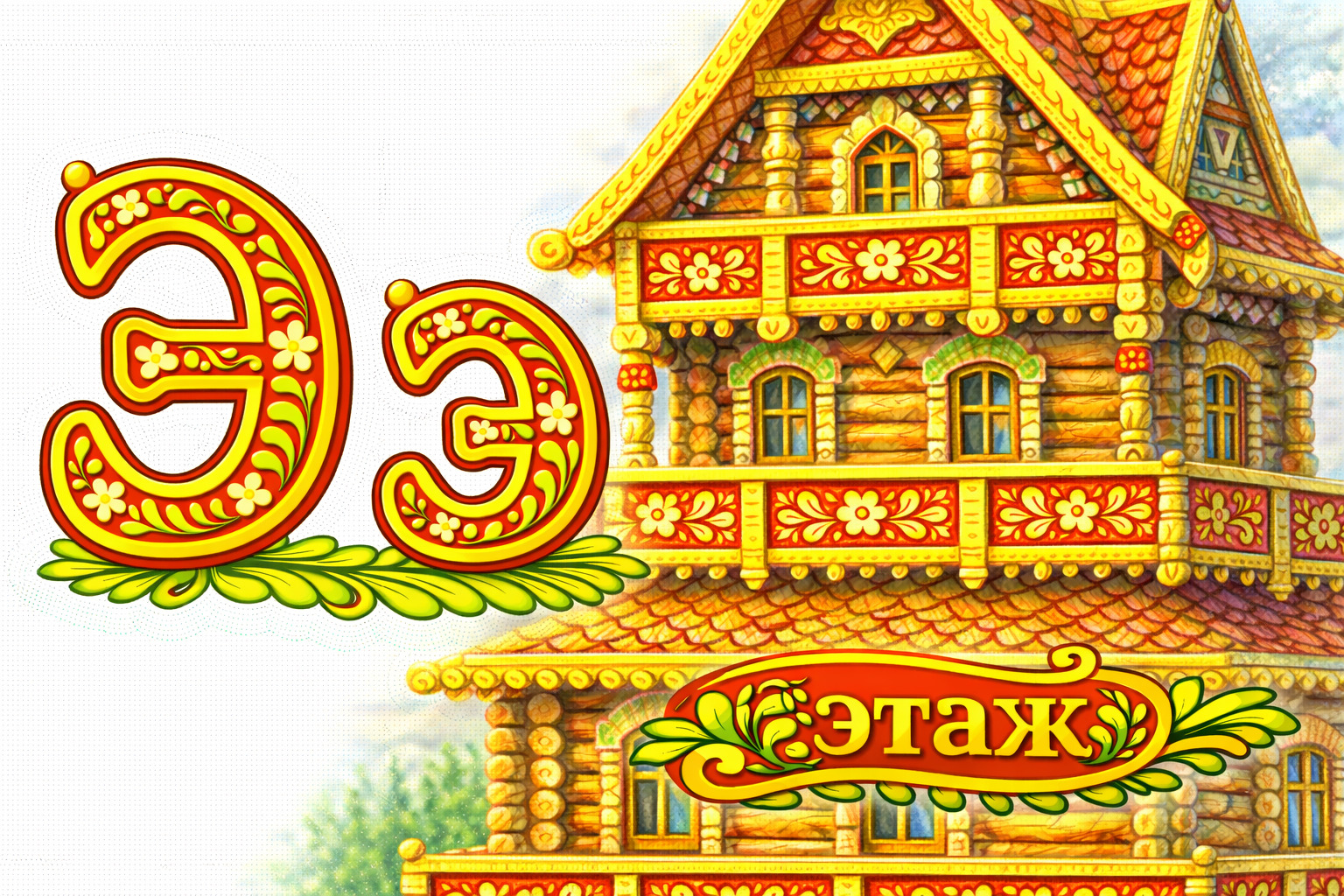
ЭэЭтаж
A floor is a level of a building—first floor, second floor, and so on—where rooms are. If you go up the stairs, you reach the next floor. The letter «Э» is pronounced like “e” in “met.”
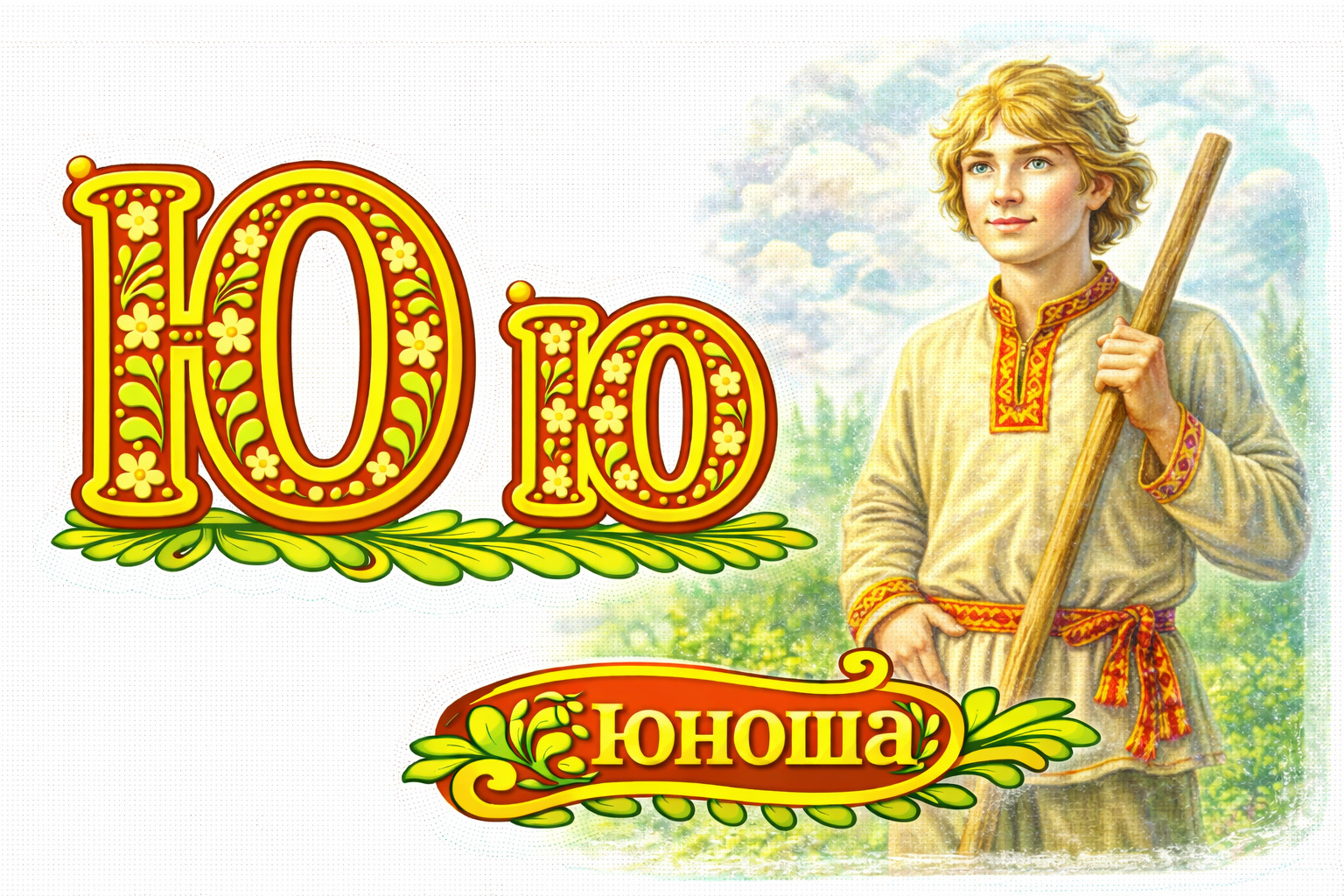
ЮюЮноша
A youth is a young guy—almost grown up, but still very young. In tales, the youth often sets off on a journey to become a hero and learn new things. The letter «Ю» is pronounced “yu,” like “you” without the o.
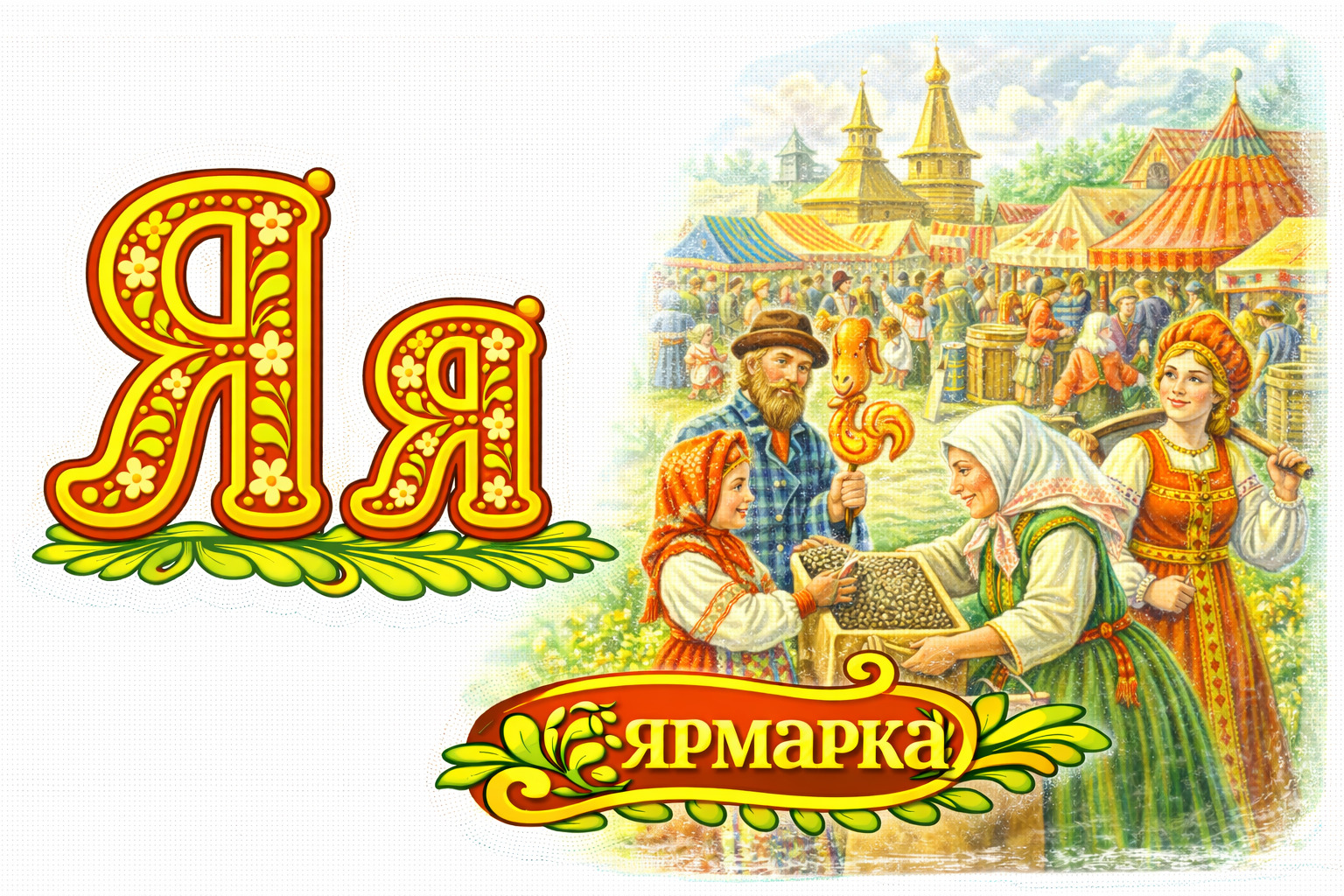
ЯяЯрмарка
A fair is a big market‑festival where people sell things, sing, play games, and share treats. It’s loud and joyful—like the whole town got together. The letter «Я» is pronounced “ya,” like “yard” starting sound.
The End
Азбука
1/34
Click on page edges or use arrow keys to turn pages